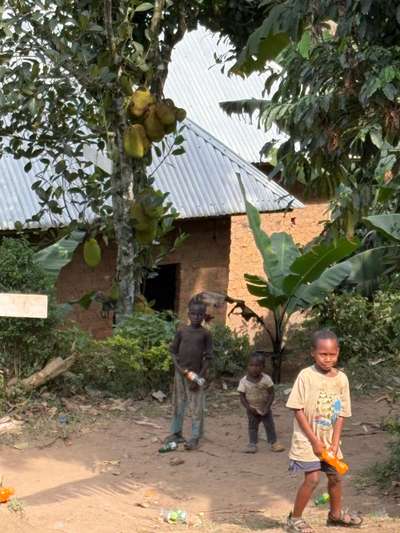
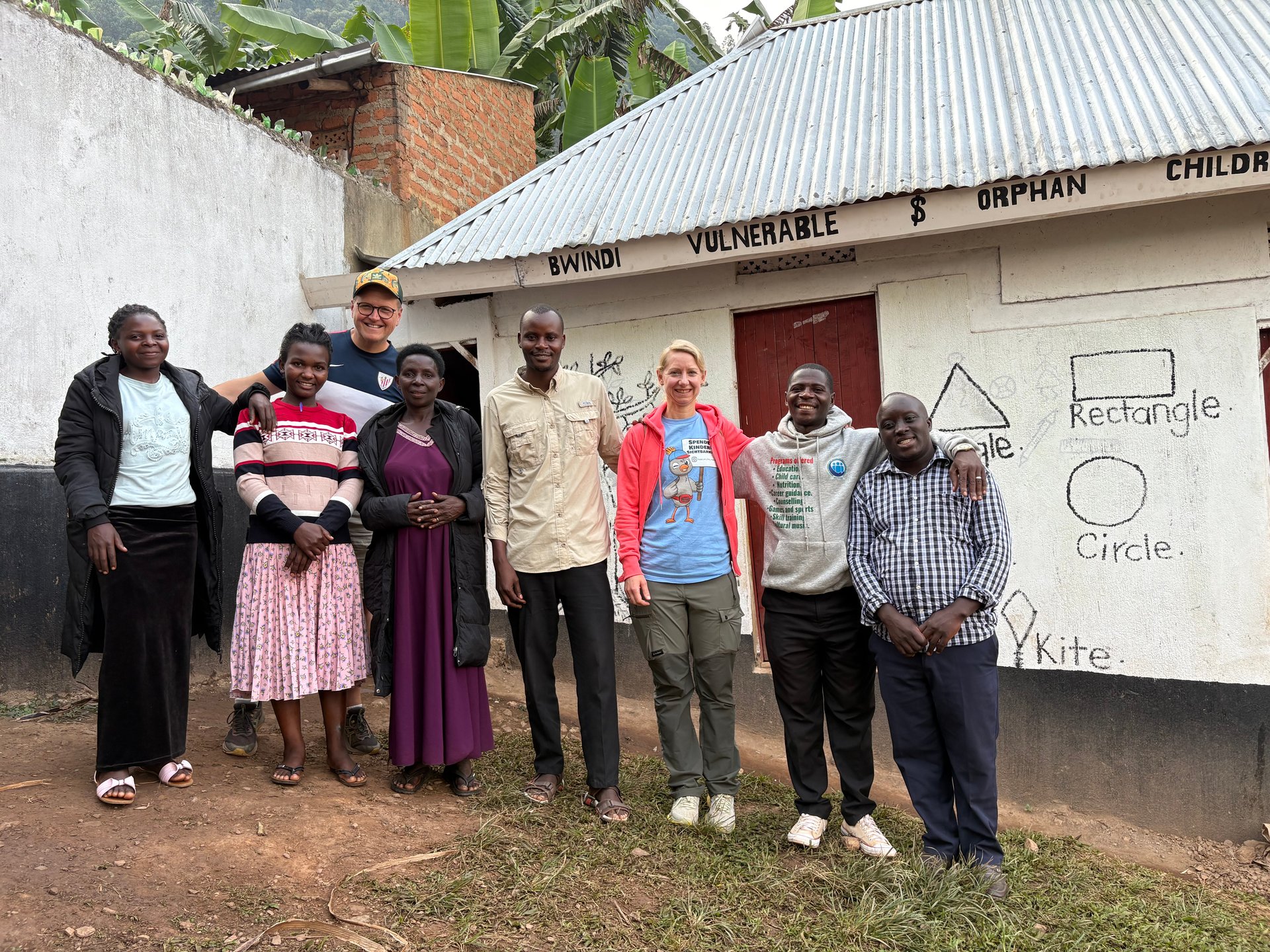
During my visit to Buhoma in June 2026, a group of children from the neighbourhood near the local orphanage appeared at the edge of our gathering. They were visibly shy, their clothing worn and their body language guarded. We invited them to sit down and eat with us immediately — no deliberation, no formality. That single moment, unremarkable in its simplicity, captured something I have come to understand only after fourteen separate visits to Uganda: the country’s lodge and hospitality network exists not in isolation but as part of a living community fabric that stretches from Kampala’s concrete sprawl to the most remote forest camps in Bwindi.
Every journey to those forest camps, those lakeside retreats, those savanna tented lodges, starts in the same place: Kampala lodges. The capital city is where international flights land, where operators collect their guests, and where the first night of acclimatisation sets the tone for everything that follows. Between October 2024 and June 2026, I spent 59 days on the ground across Uganda, passing through Kampala on every single trip. This guide draws on that accumulated experience — the transit hotels I have slept in, the ones I have walked through, and the broader Uganda lodge ecosystem that connects the capital to the wilderness.
Why Kampala Lodges Are the Starting Point of Every Uganda Safari
Entebbe International Airport sits on the shore of Lake Victoria, roughly 40 kilometres south of Kampala’s centre. Most international flights from Europe, the Middle East, and East Africa arrive in the evening or late at night. The arithmetic is straightforward: the drive to Bwindi Impenetrable National Park takes eight to ten hours, Murchison Falls requires five to six, and Queen Elizabeth National Park sits seven hours to the southwest. None of these journeys should begin in darkness on roads shared with unlit trucks, overloaded matatus, and wandering livestock. A Kampala lodge is not a luxury — it is a logistical necessity.
Experienced safari operators understand this and build one transit night into every itinerary. On my January 2026 trip, our driver collected us from Entebbe at 9 PM and delivered us to a mid-range hotel in Kololo within ninety minutes. We were on the road toward Bwindi by 6:15 the following morning, rested and oriented. The alternative — attempting an overnight drive — would have been both dangerous and exhausting, arriving at the trailhead in no condition to trek for hours through dense montane forest at altitude.
Kampala lodges serve a second purpose beyond transit. The city itself has evolved substantially over the past decade. The Uganda Hotel Owners Association and the Uganda Hotels and Lodges Association have driven a professionalisation of the accommodation sector, particularly in the Kololo, Nakasero, and Bugolobi neighbourhoods where most safari-grade properties cluster. International chains operate alongside locally owned boutique hotels, and the range of quality has improved noticeably even between my first visit in October 2024 and my most recent in June 2026.
What catches first-time visitors off guard is the contrast between Kampala’s urban energy and the silence that awaits in the national parks. The capital is loud, dense, and perpetually in motion — boda-boda motorcycles weaving through traffic, construction cranes on every hill, market vendors along every road. Within hours of leaving your Kampala lodge, that chaos fades into agricultural landscapes, then tea plantations, then forest. The transition is one of the most dramatic in East African travel, and the Kampala lodge is the hinge point where it all begins.
Kampala Lodge Neighbourhoods: Where to Stay and What to Expect
Not all parts of Kampala are equally practical for safari transit. The neighbourhoods that matter are those with reliable road access to the Entebbe expressway and the southwestern route out of the city. After passing through Kampala on all fourteen of my trips, the following areas have consistently proven the most useful for travellers connecting to safari lodges.
Kololo and Nakasero: The Established Centre
Kololo hill and the adjacent Nakasero area remain the default choice for mid-range and luxury Kampala lodges. Kampala Serena Hotel sits on Kintu Road in Nakasero, offering the kind of reliable five-star standard that international travellers expect — air conditioning that works, hot water that flows, and a front desk staffed around the clock. The Sheraton Kampala occupies a prominent position nearby. Both properties charge $180–250 per night for a standard room, which is competitive by East African capital city standards and significantly cheaper than equivalent properties in Nairobi.
Mid-range Kampala lodges in Kololo typically run $60–120 per night. The area’s advantage is proximity to restaurants, embassies, and the relative quietness of a residential hill. The disadvantage is that Kololo’s narrow roads can create traffic bottlenecks during early morning departures, particularly on weekdays. On my May 2026 trip, a 6 AM departure from a Kololo guesthouse took forty minutes just to reach the edge of the city — a delay that, while minor in absolute terms, compresses the already tight schedule of a day spent driving to Bwindi.
Bugolobi and Kabalagala: The Practical Alternative
Bugolobi and Kabalagala sit east and south of the city centre, closer to the Entebbe expressway and the main routes heading southwest. Budget travellers gravitate toward Kabalagala for its backpacker hostels and the dense cluster of restaurants along Ggaba Road. Kampala Backpackers Hostel and Red Chilli Hideaway both operate in this zone, offering dormitory beds from $8 and private rooms from $25–40. The food scene here is more diverse than in Kololo — Ethiopian restaurants serve injera with vegetarian wat sauces, Indian restaurants are plentiful, and street food vendors line every block after sunset.
Bugolobi is quieter and more residential, favoured by NGO workers and long-term residents. Several clean, well-run guesthouses in the $40–80 range offer the best value-for-money ratio I have found in Kampala. The trade-off is limited nightlife and fewer dining options within walking distance — neither of which matters if you are arriving at 10 PM and departing at 6 AM.
Entebbe: Skipping Kampala Entirely
Travellers with very late arrivals or very early departures sometimes bypass Kampala entirely and stay in Entebbe, near the airport. Several small hotels and guesthouses operate within ten minutes of the terminal. The advantage is obvious: no Kampala traffic. The disadvantage is that Entebbe offers fewer dining options and a more limited hotel market. For travellers taking a domestic flight to Kihihi airstrip (near Bwindi) the following morning, an Entebbe lodge makes logistical sense. For those driving, the time saved by avoiding Kampala’s evening traffic is offset by the longer southwestern drive the next day.
From Kampala Lodge to Safari Lodge: The Uganda Accommodation Ecosystem
Uganda’s lodge network extends from the capital through a series of regional hubs to the national parks themselves. Understanding this geography helps travellers choose not just a Kampala lodge but a coherent accommodation chain for their entire trip. The country’s ten national parks are spread across vastly different ecosystems — equatorial rainforest in Bwindi, dry savanna in Kidepo, Nile riverine habitat in Murchison Falls — and the lodge options in each reflect both the terrain and the visitor demographics.
Bwindi Impenetrable National Park: Gorilla Trekking Lodges
Bwindi’s four sectors — Buhoma, Ruhija, Rushaga, and Nkuringo — each support their own cluster of lodges. The range is extraordinary. Buhoma Community Rest Camp offers beds from $25 per night in basic but clean rooms. At the other end, Sanctuary Gorilla Forest Camp charges $400–600 per person per night for a full-board luxury experience with gorilla trekking coordination included. Between these extremes, properties like Ruhija Gorilla Safari Lodge, Nkuringo Bwindi Gorilla Lodge, Chameleon Hill Lodge, and Clouds Mountain Gorilla Lodge — the highest-altitude lodge in Uganda at over 2,000 metres — serve the growing mid-range and luxury segments.
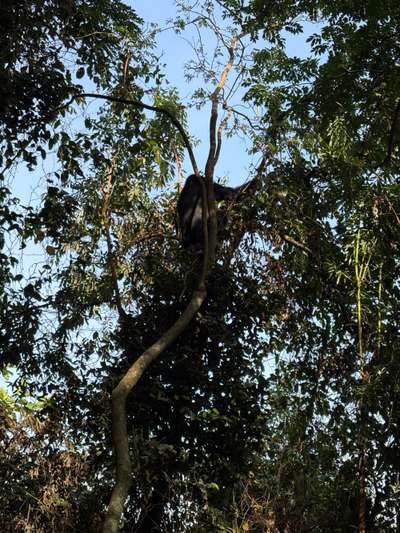
During our gorilla trekking in June 2026, we encountered our first gorilla family within an hour of setting out from the trailhead. A large silverback sat high in the canopy, methodically stripping leaves from branches and eating them with unhurried deliberation. That encounter — GPS-verified at coordinates -0.9735°N, 29.6281°E — is the reason every traveller passes through a Kampala lodge in the first place. The gorilla permit costs $800 in peak season and $450 during the low-season months of April, May, and November. The permit is your single largest expense; the lodge decisions around it are where budgets flex.
Murchison Falls National Park: Savanna and River Lodges
Uganda’s largest national park sits five to six hours north of Kampala, making it the most accessible major park from the capital. Lodge options cluster along the southern bank of the Nile, near Paraa. Paraa Safari Lodge and Chobe Safari Lodge serve the mid-range market, while Bakers Lodge offers a more exclusive experience with rates in the $300–500 range. Budget travellers use Red Chilli Rest Camp inside the park. Pakuba Safari Lodge and Ntoroko Game Lodge extend the options westward. The Murchison lodge market is more developed than Bwindi’s, partly because the park attracts both gorilla trekkers adding a second destination and standalone safari visitors drawn by the Nile, the falls, and the big-game viewing on the northern bank.
Queen Elizabeth and Kibale: Western Circuit Lodges
The western circuit — Queen Elizabeth National Park, Kibale Forest, and the Rwenzori foothills — supports a diverse lodge market. Mweya Safari Lodge dominates the Queen Elizabeth shoreline, while Kyambura Gorge Lodge, Ishasha Jungle Lodge, and Kasenyi Safari Camp serve different sectors of the park. In Kibale, Kyaninga Lodge stands out as one of Uganda’s finest properties: eight handcrafted log cottages on a hilltop above Kyaninga Crater Lake, six kilometres north of Fort Portal, with views across to the Rwenzori Mountains. Crater Safari Lodge, Papaya Lake Lodge, Isunga Lodge, and Ndali Lodge round out the Kibale cluster, each occupying a different crater lake and price point.
Kidepo Valley and the Remote Northeast
Kidepo Valley National Park remains Uganda’s most remote major park, sitting in the far northeast near the South Sudanese and Kenyan borders. The drive from Kampala takes ten to twelve hours, or travellers can fly via chartered aircraft. Apoka Safari Lodge is the park’s premier property, offering luxury accommodation with savanna views rivalling anything in the Serengeti. Kidepo Savannah Lodge provides a simpler alternative. The limited lodge supply in Kidepo means that advance booking is essential during peak season, and the remoteness creates a logistical chain where the Kampala transit lodge becomes doubly important — there are no meaningful stops between Gulu and the park gate.
Lake Bunyonyi, Mgahinga, and the Southern Volcanoes
Lake Bunyonyi, often combined with a Bwindi gorilla trek, supports properties like Arcadia Lodge — the highest lodge on the hill with 25 cottages, a restaurant with sun deck, and activities including jet-skiing and quad-biking — and Sharp Island Gorilla Lodge on Njuyeera Island, where rustically built cottages with flexible walls open directly onto the lake. The island’s historical main house was built by the Scottish missionary Leonard Sharp. Mount Gahinga Lodge sits at the edge of Mgahinga Gorilla National Park with panoramic views across the Virunga Volcanoes, serving the golden monkey trekking and gorilla habituation market. These southern lodges are typically reached via Kabale, four hours before Bwindi, making them natural additions to a gorilla-focused itinerary.
Uganda’s Lodge Industry: Standards, Operators, and the Private Sector
The private sector drives Kampala’s hospitality economy and, by extension, the safari lodge network it feeds into. Job creation in tourism and accommodation is one of the Ugandan government’s strategic priorities, and the Uganda Investment Authority actively courts both domestic and foreign investment in the lodge sector. The Association of Uganda Tour Operators, the Tour Guides Forum for Uganda, and the Uganda Travel Agents Association provide professional frameworks, while the Tourism Sector Skills Council of Uganda runs training programmes for hospitality staff from Kampala hotels to remote park lodges.
Lodge quality across Uganda is uneven, and travellers should understand the difference between properties that operate within professional networks and those that do not. Operators like Uganda Exclusive Camps — which runs Buhoma Lodge, an ecologically oriented luxury property with eight cottages built from local materials inside the national park boundary — maintain standards that smaller independent lodges cannot always match. The Uganda Safari Guides Association, whose deputy chair Lilian Kamusime trains guides across Uganda and Rwanda, works to raise service quality at the guide level, which directly affects the lodge experience since guides often accompany guests through their entire stay.
Community-owned lodges represent a growing segment of the market. Nkuringo Bwindi Gorilla Lodge, perched at 2,090 metres with 18 rooms near the Nkuringo gorilla habituation site, operates as a community partnership. Together for Uganda, an NGO supported by Coffee Pot Café, works to raise living standards in the Kisoro district where several Bwindi lodges are located. The Nkuringo lodge itself partners with the Uganda Carbon Bureau for carbon offset programmes, connecting the lodge industry to broader environmental goals.
Uganda Railways, the national rail operator, has been working with the Kampala Capital City Authority (KCCA) on expanding commuter rail routes — a development that, if realised, could reshape the Entebbe-to-Kampala transit corridor and reduce the travel time that currently makes a Kampala lodge stay necessary. For now, the road remains the only practical connection, and the quality of your Kampala lodge directly affects the quality of your first safari morning.
How to Choose Your Kampala Lodge: A Practical Decision Framework
Choosing among Kampala lodges comes down to four factors: arrival time, departure time, budget, and whether you intend to explore the city or simply sleep. If your flight lands after 8 PM and your operator collects you at 6 AM, you need clean sheets, reliable security, and a functioning alarm clock — nothing more. A $40–60 guesthouse in Bugolobi or Kabalagala serves this purpose perfectly. If you have a full day in Kampala before your safari begins, a Kololo or Nakasero property with restaurant access and walking-distance amenities justifies the higher price.
Most safari operators — Nturo Safaris, Deks Safaris, Turigye Tours, and others listed in the Uganda safari operators directory — can book your Kampala lodge as part of the safari package. This is often the simplest approach, particularly for first-time visitors, because the operator coordinates pickup times and knows which properties reliably answer phones at 5 AM. The few dollars of markup are worth the logistical certainty.
For return stays, I have found it useful to book the final-night Kampala lodge independently. After a week in the bush, most travellers want specific things — a particular restaurant, a hot shower with consistent pressure, a room that does not face a generator. These preferences are personal and best handled through direct booking. On my April 2026 return from Bwindi, I spent the final night at a Kabalagala guesthouse specifically chosen for its Ethiopian restaurant next door and its reliable airport shuttle. The lodge itself was unremarkable; the meal and the morning logistics were excellent.
[QUOTE: local guide on first impressions of travellers arriving at Kampala lodges after long international flights]
The Kampala lodge is the most functionally important and least romantically interesting accommodation decision on any Uganda safari. No one travels to Uganda to stay in Kampala. But every single traveller who reaches a gorilla family in Bwindi, a pride of tree-climbing lions in Ishasha, or a Nile launch below Murchison Falls passed through a Kampala lodge first. Choosing it well — practically, without overthinking — sets the foundation for everything that follows.
Frequently Asked Questions About Kampala Lodges
Which Kampala lodges are best for safari transit?
For safari transit, choose a Kampala lodge close to the Entebbe road or in the Kololo and Nakasero neighbourhoods. Budget travellers use Kampala Backpackers or Red Chilli Hideaway (from $8–15 per person). Mid-range options in Kololo run $60–120 per night. Luxury travellers typically stay at Kampala Serena Hotel or Sheraton Kampala. The key factor is departure time — if your operator picks you up at 6 AM for a Bwindi run, location and reliable reception staff matter more than room quality.
How much do Kampala lodges cost per night?
Kampala lodge prices range from $8 per person for hostel dormitories, through $40–80 for clean mid-range guesthouses, to $60–150 for business-class hotels. Five-star properties start from $180–250 per night. Prices are generally lower than equivalent accommodation in Nairobi or Kigali. Most safari operators can book Kampala transit accommodation as part of your package.
Should I spend a night in Kampala before my safari?
Yes. International flights to Entebbe typically arrive in the evening. Driving to Bwindi, Murchison Falls, or Queen Elizabeth takes 6–10 hours on roads that are challenging after dark. Spending one night in a Kampala lodge lets you rest, adjust to the timezone, and start the drive at daylight. Most experienced operators build this transit night into their itinerary by default.
What is the difference between a Kampala hotel and a safari lodge?
Kampala hotels are urban properties with standard amenities — air conditioning, Wi-Fi, city access. Safari lodges are wilderness properties near national parks, typically on full-board plans because no restaurants exist nearby. The transition from a Kampala hotel to a safari lodge is one of the most dramatic contrasts in East African travel — from traffic and concrete to forest and silence within a single day’s drive.
How do I get from a Kampala lodge to Bwindi Impenetrable National Park?
The drive takes 8–10 hours via the southwestern route through Mbarara and Kabale. Most operators depart from your Kampala lodge between 6 and 7 AM. The road is paved until Kabale, then becomes murram for the final stretch. Domestic flights from Entebbe to Kihihi reduce travel to about 90 minutes but cost $250–400 per person one way. The road journey passes through banana plantations, tea estates, and the dramatic descent to Lake Bunyonyi.