Accommodation Types in Uganda — Collective vs Private Tourist Facilities Compared
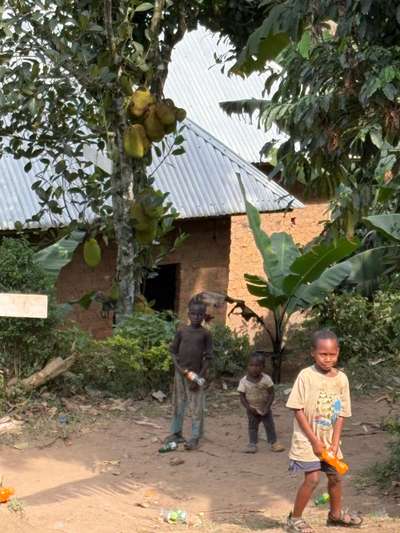
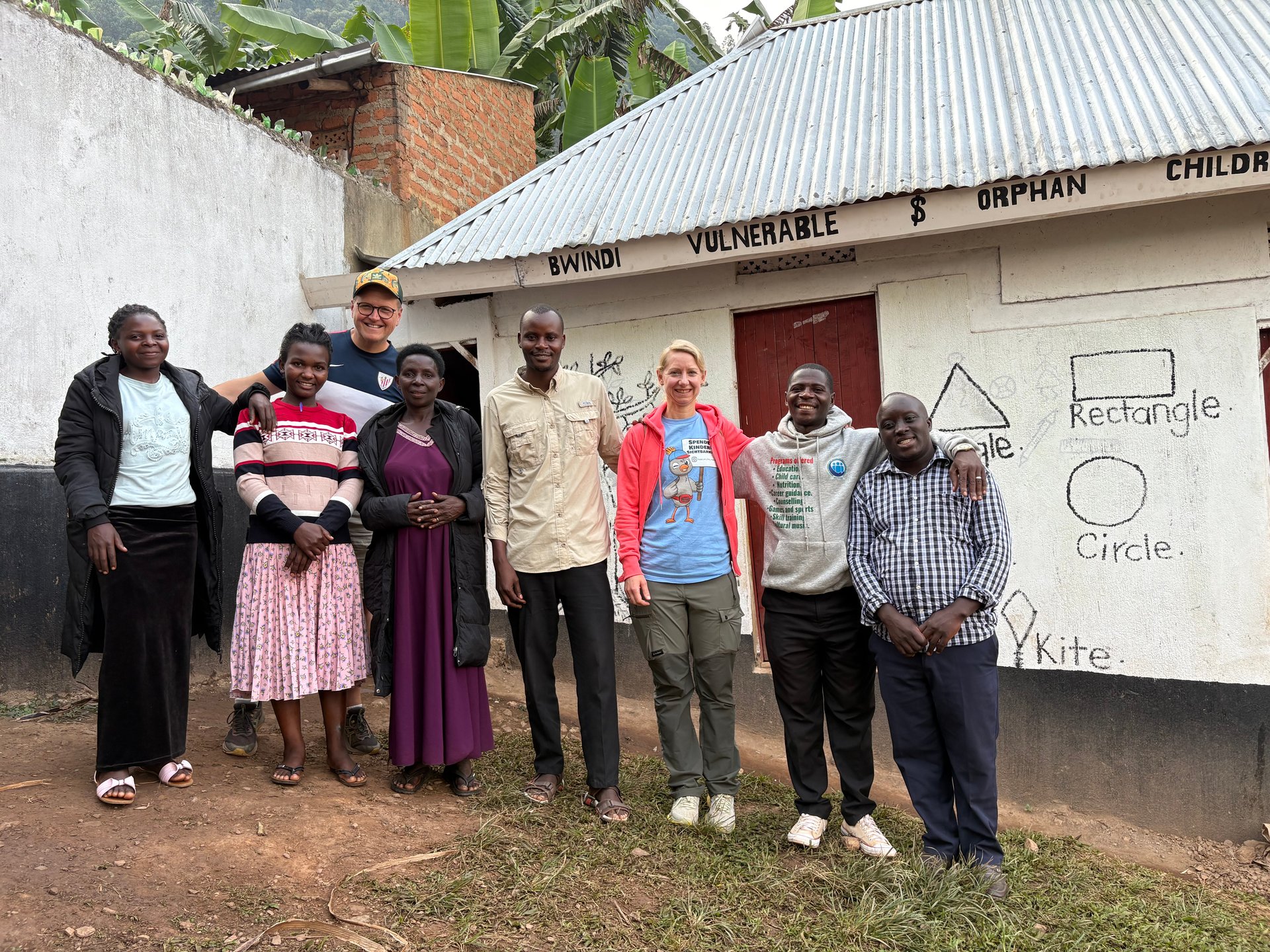
The children stood near the orphanage wall in Buhoma, their clothes worn and their posture cautious. During my visit in June 2026, we noticed them watching from a distance — they were from the neighbourhood, clearly in need of a meal. We invited them to eat with us immediately. It was one of those moments that strips away the distance between the accommodation industry's statistics and the people it actually touches. Every lodge, guesthouse, and homestay in this region exists within a web of community dependencies that no occupancy chart captures.
Over 14 visits to Uganda spanning 59 days — from my first trip in October 2024 through June 2026 — I have stayed in nearly every category of accommodation the country offers: luxury tented camps overlooking Bwindi's gorilla territory, mid-range safari lodges in Queen Elizabeth National Park, budget bandas in Murchison Falls, community guesthouses in Buhoma, and city hotels in Kampala. This range of personal experience informs a comparison that government statistics alone cannot provide.
Uganda's accommodation sector divides into two broad categories as defined by tourism statistics: collective tourist accommodation (hotels, lodges, tented camps, guesthouses) and private tourist accommodation (homestays, vacation rentals, privately owned units). Understanding this distinction matters for travellers because it shapes what appears in booking platforms, what gets tracked in official data, and ultimately what options you find when planning a trip.
Collective Accommodation — The Backbone of Uganda's Tourism Infrastructure
Collective accommodation refers to any commercially operated facility that provides lodging to multiple guests simultaneously. In Uganda's tourism statistics, this category encompasses hotels, safari lodges, tented camps, guesthouses, motels, resorts, and bandas (simple thatched-roof structures common in national parks). These facilities form the backbone of the formal tourism economy and are the primary subjects of government surveys.
The accommodation facility survey conducted by the Uganda Bureau of Statistics covers 20 districts distributed nationally, including Kampala, according to the Statistical Abstract 2014. This survey tracks room counts, bed capacity, occupancy rates, and employment figures for collective facilities. The last comprehensive census of these facilities was conducted in 2011, with an update originally planned for the 2014 housing census — a gap that means current statistics likely undercount the true number of operating properties.
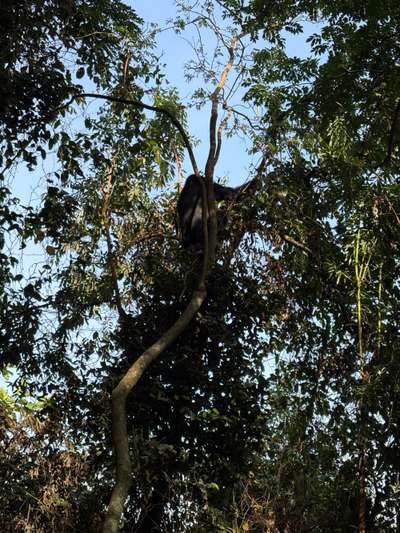
Within collective accommodation, the hierarchy is clear. At the top sit luxury safari lodges and exclusive tented camps — properties like those overlooking Bwindi's gorilla-trekking sectors or perched on the Kazinga Channel in Queen Elizabeth National Park. These facilities typically offer full-board rates starting at $300 and rising above $800 per night. They employ dedicated guides, chefs, and housekeeping staff recruited from surrounding communities. During my January 2026 gorilla trek, we set out from one such lodge and encountered our first gorilla family after roughly an hour of hiking — a silverback sitting calmly in the canopy, stripping leaves from branches.
Mid-range lodges occupy the largest segment of collective accommodation outside urban centres. These are permanent structures — stone, brick, or timber cottages with en-suite bathrooms, hot water (often solar-heated), and meal service. Rates range from $80 to $250 per night depending on location and season. Properties in this category are the workhorses of Uganda's safari circuit, handling the majority of international visitors who are neither backpacking nor seeking ultra-luxury.
Budget collective accommodation includes UWA (Uganda Wildlife Authority) bandas within national parks, backpacker lodges, and basic guesthouses in gateway towns. The Bwindi Backpackers Lodge near Nkuringo, for instance, offers dormitory beds from $35 and private cottages from $150 per night, all including full board. These properties are essential for making Uganda's parks accessible to budget-conscious travellers and younger visitors.
Private Accommodation — The Untracked Sector
Private tourist accommodation — homestays, vacation rentals, and individually owned properties rented to visitors — represents a growing but poorly documented segment of Uganda's tourism landscape. Unlike collective facilities, private accommodation rarely appears in government surveys, is not systematically graded, and often operates informally.
Community-based tourism initiatives, coordinated by organizations like the Uganda Community Tourism Association (UCOTA), have established homestay programmes near several national parks. Around Bwindi Impenetrable National Park, travellers can arrange to stay with local families, sharing meals, learning about daily life, and contributing directly to household incomes. These arrangements cost $15-40 per night and offer cultural immersion that no lodge can replicate.
The rise of global booking platforms has also brought Ugandan private accommodation to international visibility. Apartments and guesthouses in Kampala, Entebbe, and Jinja now list on platforms that connect them to overseas travellers who might otherwise book only conventional hotels. However, the quality variance is enormous — there is no grading system, and what photographs show may differ significantly from what arrives on the ground.
For travellers, the practical distinction is this: collective accommodation offers predictability, established infrastructure, and accountability through formal business registration. Private accommodation offers authenticity, lower prices, and direct community benefit — but requires more research and tolerance for variability.
Comparison Table — Collective vs Private Accommodation
| Factor | Collective (Hotels, Lodges, Camps) | Private (Homestays, Rentals) |
|---|---|---|
| Price range | $35-800+ per night | $15-80 per night |
| Official grading | 117 graded facilities (2025) | No grading system |
| Tracked in surveys | Yes, across 20 districts | Rarely |
| Booking ease | Direct websites, booking platforms, tour operators | Local contacts, UCOTA, platforms |
| Meals included | Usually (full board or half board) | Sometimes (varies) |
| Community impact | Indirect (employment, supply chain) | Direct (income to families) |
| Best for | Safari travellers, first-time visitors, international tourists | Cultural immersion, long stays, budget travellers |
The Subcategories Every Traveller Should Know
Safari Lodges are purpose-built near national parks and designed around wildlife experiences. They coordinate game drives, trekking permits, and guided walks. Lodges achieve the highest occupancy rates of any accommodation type in Uganda, reflecting their irreplaceable role in the safari value chain.
Luxury Tented Camps combine canvas-and-wood construction with high-end amenities: private verandas, en-suite bathrooms, gourmet dining, and often a personal host. Properties in Bwindi's Buhoma and Rushaga sectors and the Ishasha plains of Queen Elizabeth National Park exemplify this category. Rates start around $400 per night.
Hotels in Uganda are primarily urban, serving business and conference travellers in Kampala, Entebbe, Jinja, and larger regional towns like Mbarara, Fort Portal, and Gulu. Their occupancy rates are moderate and tied to business cycles rather than tourist seasons.
Guesthouses and Bandas form the budget tier. UWA operates basic bandas within several national parks — simple structures with beds and shared facilities. Private guesthouses in gateway towns like Kisoro, Kabale, and Masindi offer similar simplicity at $20-50 per night.
Eco-Lodges occupy a philosophical position between standard lodges and community initiatives. They emphasize sustainability: local building materials, solar power, rainwater collection, organic gardens, and reinvestment into conservation or community projects. Several properties near Bwindi work with the Uganda Carbon Bureau to offset their emissions through tree-planting initiatives.
Community Lodges and Homestays represent the most direct link between tourism income and local welfare. In Buhoma, I have personally visited community enterprises — from the chicken farmer who supplies local guesthouses to families who host travellers in their homes. These arrangements are rarely captured in national statistics but represent one of the most impactful forms of tourism development.
What the Statistics Miss — And Why It Matters
The formal accommodation statistics paint an incomplete picture. The hotels and restaurants sector contributed 3,110 billion Ugandan Shillings to GDP in 2013, an increase of 12.4 percent from 2,768 billion in 2012, according to the Statistical Abstract 2014. But this figure captures only registered, formal-sector operations.
The 10,679 graduates from tourism-related courses between 2009 and 2013, documented in the same Statistical Abstract, entered a labour market where many employers operate below the radar of official surveys. Community guesthouses, family-run lodges, and informal homestays employ thousands of people whose contributions do not register in GDP calculations.
For travellers, this means two things. First, the range of available accommodation in Uganda is far wider than any official directory suggests — particularly around popular parks like Bwindi, where new community lodges and small guesthouses appear regularly. Second, choosing private or community-based accommodation is a direct way to ensure tourism income reaches the people who live closest to the wildlife that visitors come to see. Having spent 59 days across this country over 14 separate visits, I can confirm that the most memorable stays are often the ones that do not appear in any database.
Frequently Asked Questions
What is the difference between collective and private accommodation in Uganda?
Collective accommodation includes commercially operated hotels, lodges, tented camps, and guesthouses serving multiple guests. Private accommodation refers to homestays, vacation rentals, and individually owned units. Government surveys primarily track collective facilities across 20 districts.
Which accommodation type has the highest occupancy rate in Uganda?
Lodges consistently achieve the highest occupancy rates, driven by their proximity to national parks and wildlife experiences that keep demand steady year-round.
What types of safari lodges exist in Uganda?
Categories include luxury tented camps ($500-800+), permanent safari lodges ($150-400), mid-range lodges ($80-150), eco-lodges ($60-150), budget bandas ($20-50), and community guesthouses ($15-40).
Are homestays available near Uganda's national parks?
Yes, community-based homestays operate near several parks, particularly Bwindi. UCOTA coordinates many of these programmes. They offer authentic cultural experiences at $15-40 per night but are rarely tracked in official statistics.
How many accommodation facilities are officially graded in Uganda?
By end of 2025, only 117 facilities had been graded — 77 town hotels, 23 safari lodges, and a handful of tented camps and motels. This is a small fraction of Uganda's total 350,550-room capacity.