What Does a Safari Operator Actually Do?
A safari operator in Uganda handles the logistics that most independent travellers cannot easily manage themselves: booking accommodation at lodges and camps, arranging 4x4 transport with a driver-guide, securing Uganda Wildlife Authority (UWA) permits for gorilla trekking or chimpanzee tracking, and planning an itinerary that accounts for Uganda’s long driving distances and unpaved roads.
The distinction between a tour operator and a safari guide is important. The operator is the company — it owns or rents vehicles, maintains relationships with lodges, and carries insurance. The guide is the individual who accompanies you on game drives, forest walks and boat trips, identifying wildlife and interpreting animal behaviour. Some operators employ their own guides; others rely on freelance guides or the UWA rangers stationed at each national park. The Uganda Safari Guides Association, whose vice-chairperson is Lilian Kamusime, trains and certifies guides across the country, setting a baseline standard for professionalism and wildlife knowledge.
You can, in principle, book lodges directly, rent a vehicle, and organise your own permits. Some experienced travellers do this successfully, particularly those who have visited Uganda before. But for a first trip, using an operator saves considerable time and stress. Uganda’s road network is demanding — the drive from Kampala to Bwindi alone takes eight to ten hours on roads that range from smooth tarmac to rutted dirt — and a knowledgeable driver-guide transforms long transfers into impromptu game-viewing sessions.
Five Types of Safari in Uganda
Uganda offers a wider range of safari styles than most visitors realise. The right operator specialises in the type you want — and the wrong one tries to do everything.
Lodge-Based Game Drives
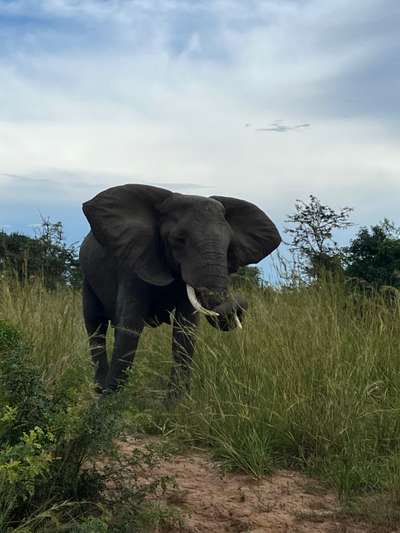
The classic safari experience. You stay at a lodge inside or adjacent to a national park and head out twice daily — early morning and late afternoon — for game drives in an open-sided 4x4. In Murchison Falls National Park, game drives on the north bank cover open savanna where elephants, Rothschild giraffes, hartebeest and Uganda kob are common. In Queen Elizabeth National Park, the Kasenyi Plains offer excellent lion sightings, while the Ishasha sector is known for tree-climbing lions.
Key lodges for game-drive safaris include Paraa Safari Lodge (Murchison Falls, on the Nile at the ferry crossing, hosting visitors since the 1950s), Bakers Lodge (luxury tented camp on the south bank), Chobe Safari Lodge (near Karuma Falls), Pakuba Safari Lodge (isolated north bank, surrounded by wildlife), and Bwana Tembo Safari Camp (near Pakwach, known for Italian food in an unexpected location). In Queen Elizabeth, Mweya Safari Lodge is the oldest and most established property, with 50 rooms overlooking the Kazinga Channel and the Rwenzori Mountains. Kasenyi Safari Camp, a small tented camp on a crater lake run personally by its owner Ben, offers five-course dinners and a more intimate atmosphere. Simba Safari Camp sits on a hill near the equator monument and covers the northern circuit. Ihamba Lakeside Safari Lodge, on the western shore of Lake George, has won awards for its hospitality and birding.
In the remote northeast, Apoka Safari Lodge — operated by Wildplaces Africa — is the only luxury option inside Kidepo Valley National Park. Its ten cottages look out over the Narus Valley from the park headquarters area at Apoka. Paraa, at the heart of Murchison Falls, serves as both a settlement and the park’s operational hub, with a ferry crossing, ranger quarters and the boat launch for trips to the falls.
Walking Safaris
Nkuringo Walking Safaris is the specialist here. Based in the Kisoro area of southwestern Uganda, the company organises multi-day walking and canoe tours between Kisoro, Lake Mutanda, Bwindi Impenetrable National Park and Buhoma. The walks follow community trails and forest edges rather than passing through areas with large predators, and they are led by experienced guides with deep local knowledge. For travellers who want more than a vehicle window, walking safaris offer a fundamentally different relationship with the landscape.
Gorilla trekking itself is a form of walking safari — guided forest walks lasting between two and eight hours, depending on where the gorilla families are that day. In the Ruhija sector of Bwindi, the Ruhija Gorilla Safari Lodge, a rustic property with double rooms and wooden cottages, puts you within walking distance of the trekking starting point.
Boat Safaris
Two boat trips define Uganda’s safari circuit. The launch trip from Paraa upstream to the base of Murchison Falls follows the Victoria Nile through hippo- and crocodile-rich waters. Wild Frontiers operates private boats from its landing at the south bank; UWA runs scheduled launches at fixed times. During our October 2024 boat trip, we watched Nile crocodiles resting on the riverbanks from a safe distance — but even from there, the size and speed of these animals was striking.
The Kazinga Channel boat safari in Queen Elizabeth National Park covers the 32-kilometre natural channel connecting Lake Edward and Lake George. Hippos, elephants at the water’s edge, and over 600 bird species make this one of East Africa’s finest waterborne wildlife experiences.
Horseback Safaris
Nile Horseback Safaris operates from the west bank of the Nile near the former Lake Bujagali, offering riding excursions along the river. This is a niche product — it appeals to experienced riders who want a different perspective on the Jinja area — but it is one of the few horseback safari options in East Africa outside Kenya and Botswana.
Camping Safaris
Several operators, including Magic Safaris, offer camping safaris as an alternative to lodge-based trips. You sleep in mobile camps set up at designated sites inside or near national parks, with a camp crew handling cooking and logistics. Buffalo Safari Camps operates fixed tented camps in several locations. Camping safaris bring costs down significantly while keeping you closer to the bush — the trade-off is comfort, particularly during the rainy season.
Safari Operators Worth Knowing
Uganda has hundreds of registered tour operators, ranging from one-person outfits with a single Land Cruiser to established companies with offices in Kampala and international sales teams. The Lodges of Uganda operator directory lists 495+ individually, each with verified contact details and specialisation profiles. Below are operators that appear consistently in the knowledge base and traveller reports, grouped by what they do best.
| Operator | Specialisation | Base / Coverage |
|---|---|---|
| Magic Safaris | Lodge and camping safaris, Uganda and Rwanda | Belgian management, Kampala-based |
| Nkuringo Walking Safaris | Multi-day walks, canoe tours | Kisoro, Lake Mutanda, Bwindi, Buhoma |
| Rwefuma Safaris | Local tours, 4x4 rental | Kasese (QENP, Kibale, Semliki) |
| Wild Frontiers | Luxury camps, Nile boat trips | Entebbe (Ngamba Island, Bwindi, Ishasha, Murchison) |
| Nile Horseback Safaris | Horseback riding along the Nile | West bank, Jinja area |
| Homestead Tours and Safaris | General safaris, gorilla trekking | Kampala-based, countrywide |
Magic Safaris is one of the longest-established operators in the region, run by a Belgian management team. They offer both lodge-based and camping safaris across Uganda and Rwanda, and are a reliable choice for travellers who want a well-organised trip with European communication standards. Their itineraries typically combine Bwindi with Queen Elizabeth and occasionally Murchison Falls.
Nkuringo Walking Safaris fills a genuine niche. Their multi-day walks between Kisoro, Lake Mutanda, Bwindi and Buhoma involve canoe sections, community encounters and forest walks that no vehicle-based operator can replicate. The guides know the trails intimately, and the pace allows for a depth of observation that a game drive simply cannot match. For travellers with reasonable fitness who want more than a drive-sleep-drive itinerary, this is the operator to know.
Rwefuma Safaris, based in Kasese, is a local operator offering tours in Queen Elizabeth National Park, Kibale Forest National Park and Semliki National Park. They also rent 4x4 vehicles for self-drive travellers — a useful option if you want flexibility without committing to a full guided safari. Being Kasese-based gives them ground-level knowledge of western Uganda that Kampala-based operators sometimes lack.
Wild Frontiers operates at the upper end of the market. They run their own luxury tented camps on Ngamba Island (a chimpanzee sanctuary on Lake Victoria), in Bwindi Impenetrable National Park, and in the Ishasha sector of Queen Elizabeth. Their boat trips to Murchison Falls depart from a private landing on the south bank at Paraa. Wild Frontiers Nile River Safaris, a related operation, focuses specifically on boating in the Nile Delta and on Lake Albert.
The Association of Uganda Tour Operators provides a formal industry body, and the Uganda Travel Agents Association represents booking agents. Both organisations maintain member lists, though membership alone is not a guarantee of quality. The most reliable indicator remains verifiable reviews, operator longevity, and — critically — the specific lodges and guides an operator uses.
The Lodges Behind the Safari
The quality of your safari depends as much on where you sleep as on who drives you there. Operators build their itineraries around specific lodges, and the lodge you end up in tells you a great deal about the operator’s priorities.
In Murchison Falls, a luxury operator will place you at Bakers Lodge or Paraa Safari Lodge. A mid-range operator might choose Pakuba Safari Lodge on the north bank or Bwana Tembo Safari Camp near Pakwach, where the Italian-influenced menu is unexpectedly good. Budget operators use simple camps outside the park.
In Queen Elizabeth, Mweya Safari Lodge — the park’s oldest and most established property, with 50 rooms on a peninsula between Lake Edward and the Kazinga Channel — is the default luxury choice. Kyambura Gorge Lodge, converted from an old coffee warehouse by Volcanoes Safaris, combines solar-powered eco credentials with rates starting at $445 per person per night (Stand 2026). Mid-range operators often use Ihamba Lakeside Safari Lodge on Lake George or the Simba Safari Camp near the equator.
In the Bwindi area, the choice of lodge signals the operator’s market segment. Sanctuary Gorilla Forest Camp and Volcanoes Bwindi Lodge — eight renovated safari tents with freestanding bathtubs and personal butler service, from $445 per person per night (Stand 2026) — sit at the top. Mid-range properties like Ruhija Gorilla Safari Lodge (part of the Asyanut Safari group) and Buhoma Lodge offer good value with comfortable rooms within walking distance of the trekking points.
At Lake Bunyonyi, Bunyonyi Safari Resort is one of the larger properties — a three-storey hotel block with 43 rooms plus six lakeside cottages, offering birdwatching and canoe tours. Many operators use it as a rest stop between Bwindi and the drive back to Kampala.
In the Semliki area, Semliki Safari Lodge — operated by Wildplaces Africa since 1996, with eight safari tents on raised wooden platforms — provides access to one of Uganda’s least-visited parks. Nearby, Crater Safari Lodge, opened in 2013 by Crystal Lodges on Lake Nyinabulitwa, offers nine deluxe cottages in the crater lakes landscape between Kibale and Queen Elizabeth.
The Orchids Safari Club in Fort Portal and various properties around Jinja round out the lodge network. Under the National Environment (Audit) Regulations S.I. No. 47 of 2020, all luxury tented camps, lodges and resorts in or near wildlife reserves, forest reserves or wetlands must undergo regular environmental compliance audits — a regulatory framework that gives Uganda’s safari lodge sector meaningful oversight.
How to Choose the Right Safari Operator
After eight trips to Uganda and conversations with guides, lodge managers and fellow travellers, I have arrived at a simple framework for evaluating operators. It comes down to five questions.
- Do they specialise in what you want? A company that does everything — gorilla trekking, Murchison safaris, Jinja rafting, Kampala city tours — may not do any of them particularly well. The best operators focus on a region or activity. Nkuringo Walking Safaris does walking. Rwefuma Safaris knows western Uganda inside out. Magic Safaris runs lodge and camping itineraries across both Uganda and Rwanda.
- Which lodges do they use? Ask for the specific properties, not just the star rating. An operator who books Kasenyi Safari Camp (small, owner-run, five-course dinners, lake view) is making a different promise than one who books a large hotel outside the park.
- Do they employ or contract their guides? An operator who invests in guide training and retention will deliver better wildlife interpretation than one who picks up freelance guides at the park gate.
- Can you verify them? Check the Lodges of Uganda operator directory for verified contact details. Look for membership in the Association of Uganda Tour Operators or the Uganda Travel Agents Association. Ask for references from recent clients.
- What is the total price, and what does it include? A $250-per-day quote that excludes gorilla permits ($800 USD, Stand 2026), park entry fees, drinks and tips is very different from a $400-per-day all-inclusive package. Always confirm what is and is not included before committing.
[QUOTE: local guide on what makes a good operator — collect on next visit]
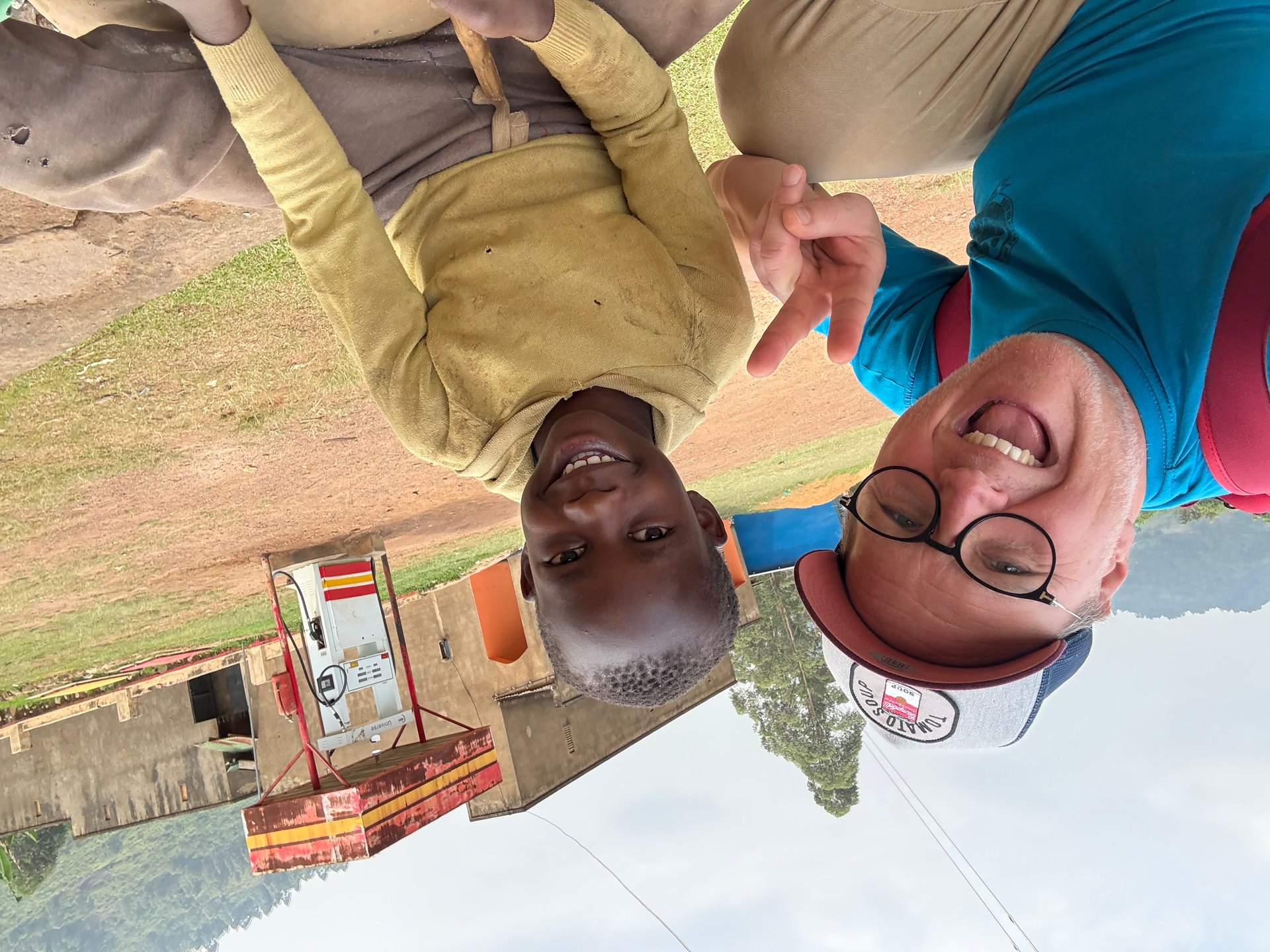
During our visit to Buhoma in January 2026, we sat outside a small roadside shop on the main road through the village, drinking water on a makeshift bench under a sun umbrella. Moments like that — unscheduled, unplanned, genuinely human — are what the best operators leave room for in their itineraries. The worst ones pack every hour with transfers and activities, leaving no space for the country to reveal itself on its own terms.
Conservation and the Operator’s Role
Uganda’s ten national parks are managed by the Uganda Wildlife Authority (UWA), established in 1996. Safari operators function as the commercial interface between UWA’s conservation mandate and the travelling public. Every permit purchased, every park entry fee paid, and every lodge bed filled feeds a system designed to protect habitats and the species within them.
Ngamba Island Chimpanzee Sanctuary, on Lake Victoria, illustrates one end of this relationship. Run as a rescue and rehabilitation centre for chimpanzees freed from captivity, the sanctuary depends on tourism revenue for its operations. During our October 2024 visit, we saw the enclosure fencing up close — robust metal barriers that look stark and institutional but protect a forested area where rescued chimpanzees live in semi-wild conditions. Wild Frontiers operates boat trips to the island from Entebbe, and the visitor fees contribute directly to the sanctuary’s running costs.
Operators who work closely with community tourism initiatives — hiring local guides, sourcing food locally, using community-run accommodation — extend the conservation benefit beyond the parks themselves. The World Food Program maintains a presence in northern Uganda (its Kitgum office supports humanitarian work in the region), and several operators in the north combine safari itineraries with cultural visits that provide income to communities far from the main tourist circuits.
For a deeper look at environmental standards and how they affect lodge operations, see our guide to eco-tourism in Uganda.