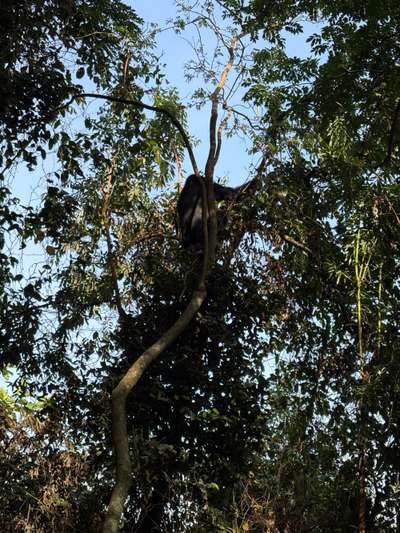
After three hours of hiking through the dense undergrowth of Bwindi Impenetrable National Park, the guide raised his hand and the group stopped. Through the foliage, barely five metres away, a mountain gorilla peered back at us with an expression that mixed curiosity and utter indifference. The family was peaceful — a silverback resting in the shade, juveniles playing on a low branch, a female grooming her infant. We were so close I could hear the gorilla chewing leaves. Nobody spoke. The only sounds were the forest itself: dripping water, bird calls, and the soft snap of branches under enormous hands.
That encounter happened during my visit in January 2026 — one of five trips I have made to Uganda between 2024 and 2026. Over six days on the ground, I stayed at lodges in Uganda across different price tiers, trekked with armed rangers through mountain forest, and documented everything with GPS-tagged photographs. The gorilla trekking was the highlight, but the lodges that surround Bwindi Impenetrable National Park were the infrastructure that made it possible. Without the network of properties — from community rest camps to luxury lodges perched on ridgelines — gorilla tourism in Uganda would not function.
This guide covers what I learned first-hand about lodges in Uganda, with a particular focus on the gorilla trekking regions where most international visitors spend the majority of their time. Every photograph on this page is one I took myself on location, and every observation comes from walking the trails, sleeping in the beds, and drinking the morning coffee on the terraces.
Gorilla Trekking and the Lodges That Make It Possible
Uganda is home to roughly half of the world’s remaining mountain gorillas. According to the Uganda Wildlife Authority census conducted between 2018 and 2020, the country’s gorilla population stands at 459 individuals, distributed across Bwindi Impenetrable National Park and Mgahinga Gorilla National Park. These are among the most sought-after wildlife encounters on earth, and the entire experience revolves around the lodges in Uganda that serve as base camps for the trekking.
A gorilla trekking permit costs 800 USD per person — a fee set by the Uganda Wildlife Authority that has not changed in several years. The permit grants you one hour with a habituated gorilla family, but the trekking itself can take anywhere from one to eight hours depending on where the gorillas are on any given day. During my January 2026 trek, we encountered the first gorilla family after roughly one hour of hiking. The guide located them by following fresh trail signs — bent vegetation, knuckle prints in the mud, and the faint smell of gorilla that experienced trackers can detect before anything is visible.
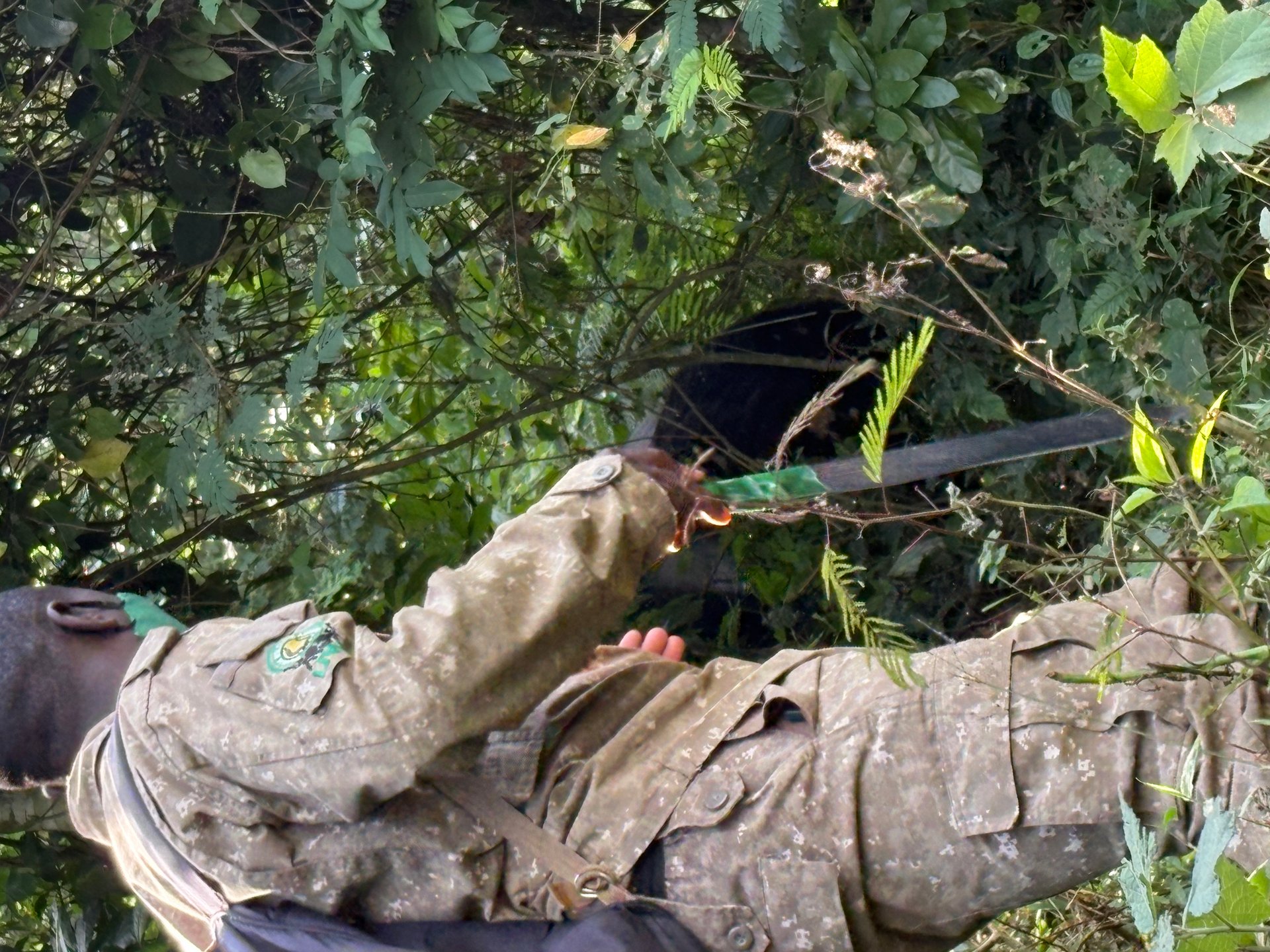
The trek was led by a guide and accompanied by two armed rangers. The rangers carried rifles as a precaution against forest buffalo and elephants, not against the gorillas themselves. The sight of armed escorts felt unusual at first, but it was entirely standard practice and the rangers were excellent company — helpful on the steeper sections of the trail, knowledgeable about the forest, and clearly invested in ensuring the group’s safety. The rangers used machetes to cut through dense undergrowth where no path existed, creating passage through vegetation so thick that sunlight barely reached the forest floor.
The connection between gorilla trekking and lodges in Uganda is not merely logistical — it is economic and ecological. Revenue from gorilla permits and lodge stays funds the Uganda Wildlife Authority’s conservation operations, employs local rangers and guides, and provides income to communities surrounding the national parks. Organisations like the African Wildlife Foundation have been involved in Bwindi conservation projects for decades, and the Uganda Carbon Bureau works with properties like Nkuringo Bwindi Gorilla Lodge on carbon offset programmes that link tourism revenue directly to forest preservation. The lodge is not simply a place to sleep before the trek; it is a node in a conservation economy that keeps the gorillas alive.
The history of gorilla tourism in Uganda has its own unexpected roots. Leonard Sharp, a Scottish missionary and physician, established a hospital for leprosy patients on Bwama Island in Lake Bunyonyi in 1921 — more than half a century before commercial gorilla trekking began. Sharp’s presence in the region helped establish the infrastructure of roads, medical facilities, and community relationships that later generations would build upon. Lake Bunyonyi, visible from several ridgeline lodges in the Bwindi area, remains a popular stopover for travellers heading to or from gorilla trekking.
[QUOTE: local guide on what gorilla trekking meant for the Buhoma community]Lodges in Uganda — Categories, Prices, and What to Expect
Lodges are the dominant accommodation type in Uganda’s tourism sector, with the highest occupancy rates of any property category in the country. This is not an accident. Uganda’s national parks are remote, road access is challenging, and most visitors need a reliable base within striking distance of their wildlife activity — whether that is gorilla trekking in Bwindi, game drives in Queen Elizabeth, boat safaris in Murchison Falls, or chimpanzee tracking in Kibale Forest.
The lodge landscape in Uganda spans a wide range of price points and comfort levels. At the top end, ultra-luxury properties charge upwards of 800 USD per night and offer private suites, gourmet dining, spa facilities, and dedicated guides. These lodges — often operated by international hospitality brands — cater to travellers who want a seamless, high-service experience in a remote setting. Buhoma Lodge and Sanctuary Gorilla Forest Camp, both located inside the Bwindi Impenetrable National Park boundary in the Buhoma sector, represent this tier. Their location inside the park means guests can walk to the gorilla trekking briefing point, eliminating the early-morning transfer that guests at lodges outside the gate must endure.
The comfort and mid-range tier — roughly 100 to 300 USD per night — is where most lodges in Uganda sit. These properties offer solid accommodation, reliable meals, and knowledgeable staff, without the premium pricing of the luxury segment. Gorilla Bluff Lodge in Buhoma is a good example of this tier, and one I know first-hand. Ruhija Gorilla Safari Lodge, a rustic property with double rooms and wooden cottages near the Ruhija sector trekking start point, is part of the Asyanut Safari enterprise and serves travellers who prefer the quieter, higher-altitude trekking experience at 2,340 metres. In the Nkuringo sector, Nkuringo Bwindi Gorilla Lodge sits at 2,090 metres elevation with 18 rooms and a direct connection to the gorilla habituation experience — a programme where visitors can spend up to four hours with gorilla families that are still being habituated to human presence.
Budget lodges, community rest camps, and guesthouses serve travellers at the lower end of the price spectrum, typically under 100 USD per night and sometimes well under 50. Buhoma Community Rest Camp, managed by a local community association, is the most prominent example in the gorilla trekking region. These properties offer basic but clean accommodation, and their revenue flows directly into community development rather than corporate returns. For backpackers and budget-conscious travellers, these camps provide an authentic and affordable way to experience gorilla trekking without the price tag of a luxury lodge.
Beyond the gorilla regions, lodges in Uganda extend across the country’s major safari circuits. Murchison Falls National Park has its own lodge ecosystem along the Victoria Nile, from established riverside properties to tented safari camps. Queen Elizabeth National Park lodges range from channel-side viewing platforms to crater lake retreats. Kibale Forest properties cater to chimpanzee trekking visitors. And in Kidepo Valley — Uganda’s most remote national park — a handful of lodges serve the adventurous few who make the long journey north. Wildplaces Africa, the company behind Semliki Safari Lodge, has operated in the Semliki area since 1996, making it one of the longest-established lodge operators in Uganda’s western circuit.
Staying at Gorilla Bluff Lodge — A First-Hand Account
I stayed at Gorilla Bluff Lodge in Buhoma during my January 2026 visit, and it remains the property I recommend most often for travellers seeking a mid-range lodge in Uganda near the gorilla trekking. The lodge is built into a steep hillside overlooking the Bwindi forest, and the first thing you notice upon arrival is the engineering challenge that the location demanded. Wooden staircases — constructed from massive, hand-hewn timber logs — connect the guest rooms to the main building, switchbacking up the mountainside through dense tropical vegetation. Walking from your room to breakfast is itself a minor workout, a reminder that this is a lodge carved into a mountain, not a flat-ground resort.
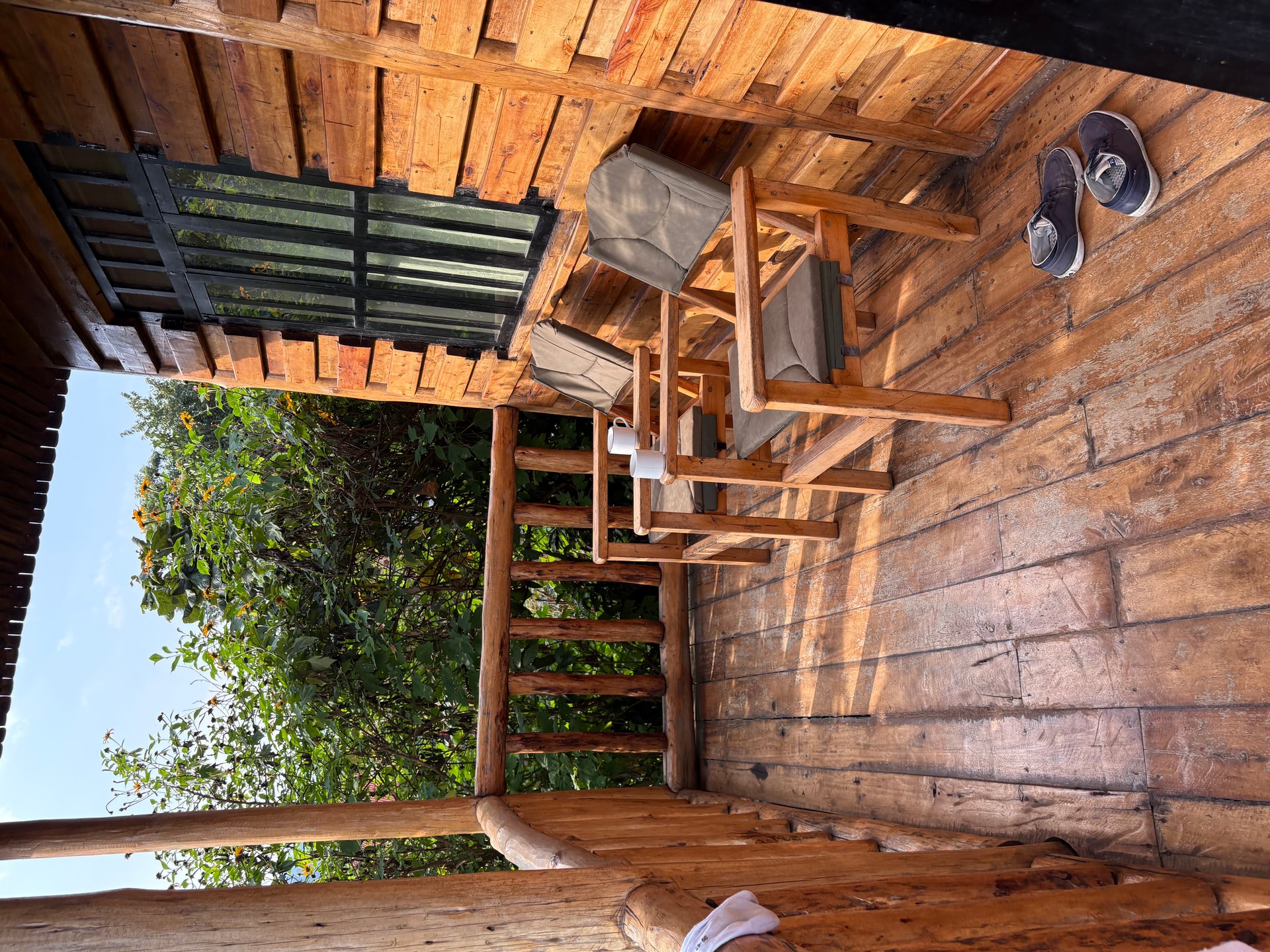
Each room at Gorilla Bluff Lodge has a private terrace with wooden railings, overlooking the forest canopy. Every morning, staff brought fresh coffee and African tea to the terrace — a quiet ritual that marked the beginning of each day. The wooden furniture, the sound of birds waking in the trees below, the mist rising from the valley — this is the particular quality that lodges in Uganda offer and that hotels in cities cannot replicate. You are not just near nature; you are immersed in it, with the forest pressing against your balcony rails.
The architecture itself deserves attention. The staircases from the guest rooms toward the main house are built from solid, natural-coloured tree trunks, each step a slab of local timber shaped by hand. The construction reflects the craftmanship of mountain architecture in this part of Uganda — no cranes, no concrete mixers, just skilled builders working with the materials the forest provides. The steep terrain that makes walking between rooms a challenge is also what gives every room its unobstructed view of the canopy. It is a trade-off that works entirely in the guest’s favour, as long as you are prepared for stairs.
Gorilla Bluff Lodge is located just outside the Buhoma park gate, which means a short transfer to the trekking briefing point on the morning of your trek. The lodge arranged everything — transport to the park, coordination with the Uganda Wildlife Authority for permits, and a packed lunch for the trail. This is the standard service model for mid-range and luxury lodges in Uganda: the lodge handles the logistics, and you simply show up ready to walk. For independent travellers who have not used a tour operator, the lodge effectively becomes the operator, which simplifies planning enormously.
Beyond the Lodge — Buhoma and the Community Around Bwindi
One of the things that distinguishes lodges in Uganda from safari accommodation in some other African countries is the proximity of local communities. In Bwindi, you are not staying in a fenced-off reserve isolated from the surrounding population. The lodges sit within or adjacent to villages like Buhoma, and the interaction between tourism and community life is visible and immediate.
Walking down Buhoma’s main street in January 2026, I saw a dusty red-earth road lined with simple corrugated-iron buildings housing small shops. The road was being prepared for tarmac resurfacing, a sign of the development that gorilla tourism revenue is bringing to the area. The people were welcoming, the atmosphere unhurried, and the contrast between the lodge perched on the hillside and the village at its base was striking but not uncomfortable. These communities are not tourist attractions — they are the places where the lodge staff, the rangers, the porters, and the guides go home to at the end of the day.
At the orphanage run by a local man named Nicholas, directly in Buhoma village, we met a group of teenagers on the sandy yard in front of the main building. Two of them posed for photographs with visible pride and enthusiasm — striking poses, making faces, performing for the camera with the natural confidence of youth. The interest in being photographed was intense: in a community where smartphones are rare and cameras are rarer, the act of having your picture taken is an event, not a routine. The teenagers were wearing bright pink and red T-shirts, beaded bracelets on their wrists, and the kind of open curiosity that comes from living in a place where every foreign visitor is still a novelty.
This interaction is worth noting because it reflects something important about what lodges in Uganda are embedded within. The tourism economy here is not abstract — it is personal. The porter who carries your bag up the mountain trail may live in Buhoma. The guide who locates the gorilla family may have grown up watching the forest from a village that predates the national park. The community rest camp that offers budget accommodation reinvests its revenue into local schools and health facilities. When you choose to stay at a lodge in Uganda, you are participating in an economic relationship that has tangible, visible effects on the people who live around the park.
The KCCA’s Tourism Development Programme, outlined in the Kampala Capital City Authority Strategic Plan (2025), aims to position Uganda as a preferred tourism destination — including plans to participate in two international tourism expos per year starting in the 2025/26 financial year. While this is a Kampala-level strategy, the effects ripple outward to lodge regions like Bwindi: increased international visibility means more visitors, which means more demand for lodge accommodation, which means more employment and revenue for communities like Buhoma.
Choosing Your Lodge — Practical Advice for Travellers
Book your permit before your lodge. Gorilla trekking permits for the dry season months (January–February, June–September) sell out months in advance. Secure your permit first, then match your lodge booking to the dates and sector assigned. If your permit is for the Buhoma sector, book a lodge in Buhoma — not Ruhija, not Nkuringo, not Rushaga. The sectors are geographically separate and connected by roads that can take hours to traverse. A mismatch between your permit sector and your lodge location means a predawn drive on rough mountain roads, which defeats the purpose of staying near the park.
Consider the season. When I visited in January 2026, the trails were firm, the forest was lush from recent rains, and the visibility through the canopy was good. January sits in the short dry season, making it one of the more comfortable months for trekking. The main dry season (June–September) offers similar conditions. The rainy seasons — March to May and October to November — bring muddier trails and harder trekking, but also lower lodge rates and fewer groups on the trails. If you are physically fit and do not mind muddy boots, the wet season offers better value and a more solitary experience.
Match your lodge to your fitness. Lodges built on steep hillsides — like Gorilla Bluff Lodge — involve stairs and inclines just to move between your room and the dining area. If you have mobility issues, look for properties on flatter terrain. Some luxury lodges offer golf-cart transfers between buildings. Community rest camps and guesthouses tend to be single-storey and easier to navigate. Ask the lodge about terrain before booking, especially if you are travelling with older family members or anyone with knee or joint concerns.
Budget realistically. The gorilla permit alone is 800 USD per person. Add accommodation (two or three nights), transport from Kampala (8–10 hours each way), meals, tips for rangers and porters, and any additional activities, and a realistic all-in budget for a gorilla trekking trip ranges from 1,500 USD at the budget end to 4,000 USD or more at the luxury end. Tour operators like Nturo Safaris and Deks Safaris can package permit, transport, and lodge into a single quoted price, which simplifies budgeting considerably. For a broader overview of what operators are available, see our full operator directory.
Do not skip the community. Many lodges in Uganda offer community walks, village visits, and cultural experiences as add-on activities. Take them. The hour you spend walking through Buhoma, meeting artisans, visiting the orphanage, or watching a traditional dance performance will stay with you as clearly as the gorilla encounter itself. These activities also channel revenue directly to community members who may not benefit from the lodge employment chain. The relationship between conservation, tourism, and community welfare is what makes Uganda’s lodge ecosystem distinctive — experiencing that relationship first-hand is part of what you are paying for.
Check the road. Getting to lodges in the Bwindi area requires a long drive from Kampala, and road conditions vary by season and by which route your operator takes. The Masaka Highway is under active rehabilitation in 2026, with sections of unpaved, dusty road. Ask your lodge or operator about current road conditions before you travel, and be prepared for a journey that may take longer than the quoted drive time suggests. Internal flights from Entebbe to Kihihi airstrip can reduce the overland journey to Buhoma from ten hours to under two, but at a cost that adds several hundred dollars to the trip.