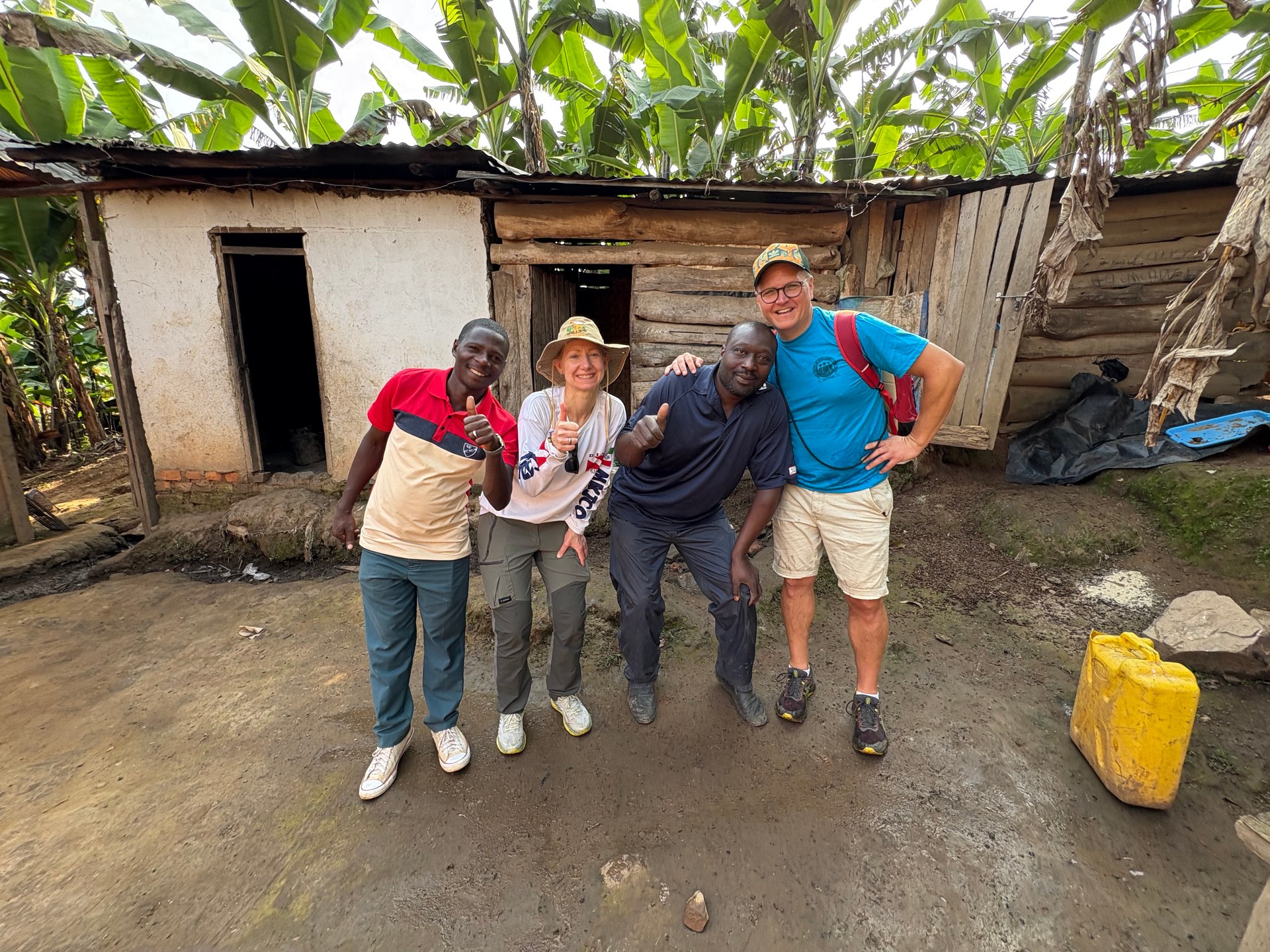
During my visit to Buhoma in June 2026, we stopped at a small poultry farm on the outskirts of the village to inspect the conditions in which the farmer raises his chicks. He runs his operation with genuine dedication — each bird monitored daily, the housing kept clean, the warming boxes maintained with care. We had purchased chicks from him on multiple previous occasions, buying batches for the nearby orphanage where they are raised for both egg production and meat. This was not a staged tourism encounter but a practical supply arrangement, and the consistency of his husbandry across our visits is the reason we kept returning.
That scene, captured at GPS coordinates −0.9713°N, 29.6142°E on 21 June 2026, sits at the heart of what makes choosing between lodges in southwestern Uganda more than a question of room rates and amenities. The community economics surrounding Lake Bunyonyi, where Birdnest Resort operates, differ materially from those surrounding Bwindi Impenetrable National Park, where Gorilla Safari Lodge serves the Ruhija trekking sector. Both properties are legitimate choices for travellers visiting the region, but they serve different purposes, draw on different community support structures, and produce different on-the-ground experiences. This comparison examines each property on the dimensions that matter most: proximity to the primary activity, accommodation quality, value, and the broader impact of your stay.
| Criterion | Birdnest Resort Lake Bunyonyi | Gorilla Safari Lodge (Ruhija) |
|---|---|---|
| Location | Lake Bunyonyi shoreline, 1,950 m altitude | Ruhija sector, Bwindi Impenetrable NP edge |
| Gorilla trekking distance | 60–90 min drive to Rushaga sector | Minutes from Ruhija briefing point |
| Price range | $80–150 pp/night incl. meals | $120–200 pp/night full board |
| Setting | Lakeside with water views, swimming, canoeing | Forest edge with mountain views, birding |
| Best for | Rest days, multi-day itineraries, families | Gorilla trekking, Ruhija sector assignment |
| Community link | Lake Bunyonyi community tourism, island visits | Ruhija village, porter employment, park revenue |
| Altitude | ~1,950 m (mild, warm days) | ~2,300 m (cool, can be cold at night) |
| Rwanda border | ~1.5 hours to Cyanika crossing | ~3 hours to nearest crossing |
Birdnest Resort Lake Bunyonyi — Lakeside Rest at Nearly 2,000 Metres
Birdnest Resort sits on the shoreline of Lake Bunyonyi in Uganda’s extreme southwest, a body of water that stretches twenty-five kilometres in length and seven kilometres in width at an altitude of 1,950 metres above sea level. The lake’s name translates from the local Rukiga language as “place of many little birds,” and the birdlife — weavers, sunbirds, herons, and kingfishers among dozens of species — is visually and audibly present from the moment you arrive. Despite its tropical latitude, Bunyonyi’s elevation produces a mild climate with warm days and cool nights, and its water temperature hovers around 20°C year-round. Critically for swimmers, the lake is one of very few in the region that is free of bilharzia, the parasitic disease that makes most African freshwater lakes unsafe for recreational contact.
The lake’s estimated depth of nine hundred metres and its steep, terraced hillsides give it a fjord-like character unusual in East Africa. The surrounding landscape is densely cultivated — every visible slope is terraced and planted, a consequence of the region’s extreme population density. This agricultural intensity presses to the very edge of the water, creating a visual tension between the lake’s serenity and the evidence of land pressure on every hillside. The land tenure framework governing these slopes falls under the Land Act Cap 227, Uganda’s primary legislation for land rights and administration, whose provisions on customary land ownership are directly relevant to the communities whose livelihoods the lodges along the lakeshore intersect.
Birdnest Resort offers cottages and rooms at price points accessible to mid-range travellers, with rates typically starting from $80–150 per person including meals. The property’s lakeside position allows for swimming, canoe trips, and the particular form of doing nothing that a calm mountain lake invites. Canoe trekking is one of Bunyonyi’s signature activities — guided tours of one to five days in traditional dugout canoes with a captain, visiting the lake’s scattered islands and shoreline communities. The nearby Bunyonyi Safari Resort, a separate property with a three-storey hotel block, forty rooms, and rates from $25 for singles, provides a lower-cost alternative on the same lake, though not all rooms guarantee a lake view.
The historical depth of Lake Bunyonyi extends beyond its geological age. Bwama Island, visible from several lakeshore properties, is the site where the Scottish missionary and physician Leonard Sharp established a hospital for leprosy patients in 1921. Sharp’s medical mission operated for decades, and the island’s buildings — now partially repurposed — are accessible by boat. The Sharp Island Gorilla Lodge, located on the nearby Njuyeera Island, occupies the historical main house built during Sharp’s era, offering rustic cottages with flexible walls that open directly onto the lake. This property provides a direct connection to the lake’s missionary history that few accommodations in Uganda can match.
For gorilla trekking, Birdnest Resort’s main limitation is distance. The nearest Bwindi trekking sector — Rushaga, at the park’s southern end — is approximately sixty to ninety minutes by road. This is manageable but requires an early departure, typically before 6 AM, to reach the briefing point on time. The drive follows a route through terraced hillsides and small trading centres that is scenic in daylight but adds an element of fatigue before the trek itself has begun. For travellers whose gorilla trekking is assigned to Ruhija, Buhoma, or Nkuringo sectors, the drive from Bunyonyi is considerably longer and less practical.
[QUOTE: Birdnest Resort staff member on how guests typically split their time between lake activities and gorilla trekking day-trips]
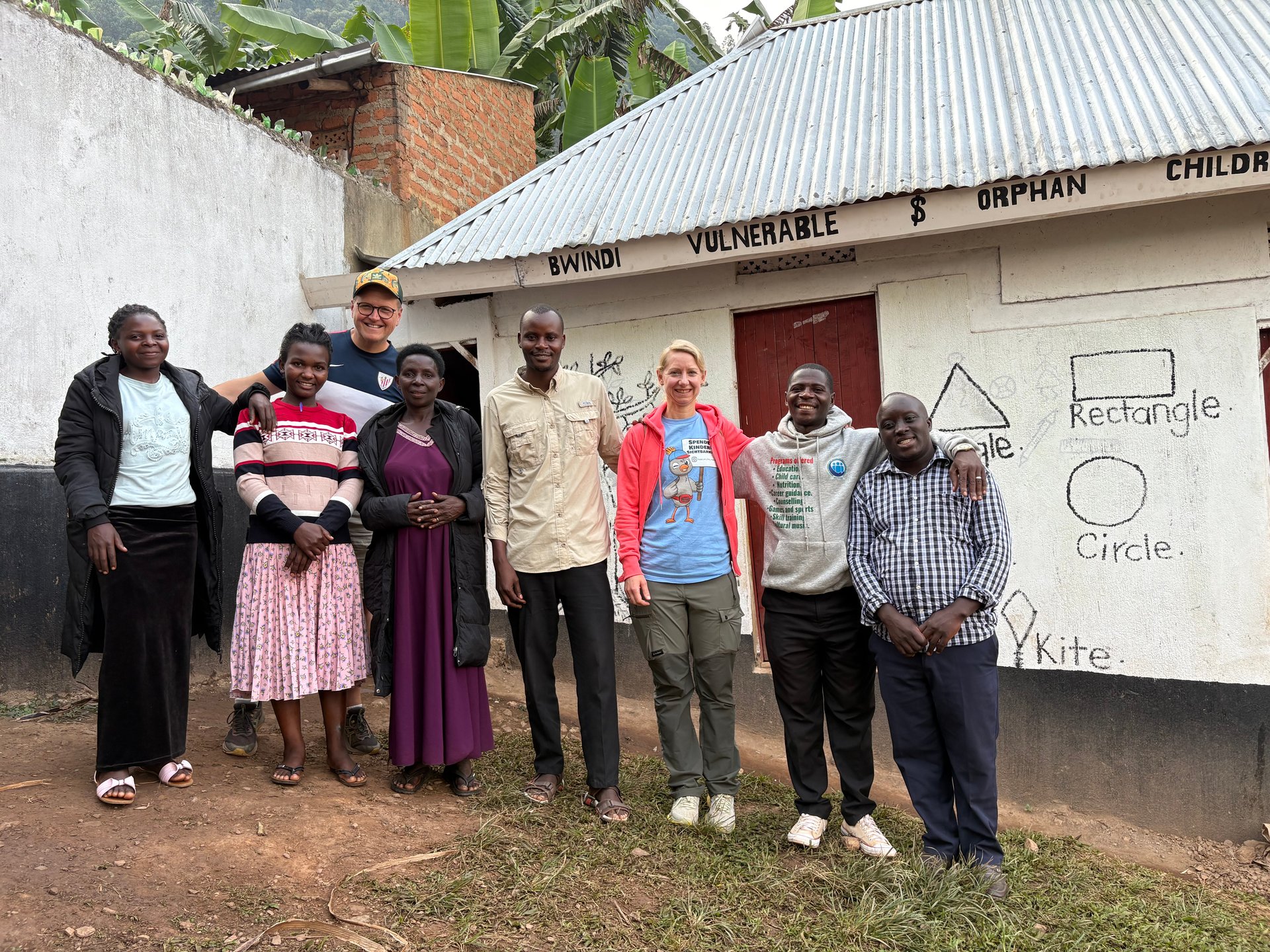
Gorilla Safari Lodge — Trekking Base in Bwindi’s Ruhija Sector
Gorilla Safari Lodge sits at the edge of Bwindi Impenetrable National Park’s Ruhija sector, the northeastern trekking zone where several habituated gorilla groups are visited by small trekking parties each morning. The Ruhija sector is known for its higher altitude — approximately 2,300 metres — and the correspondingly cooler, often misty conditions that define the trekking experience here. The lodge’s location places guests within minutes of the gorilla tracking departure point, eliminating the early-morning transit that defines the experience at lake-based properties like Birdnest Resort.
The property offers double rooms and timber cottages at rates typically ranging from $120 to $200 per person per night on a full-board basis. The accommodation is rustic rather than luxurious — solid construction, functional furnishings, and the kind of unadorned comfort that suits a property whose guests are there for the forest, not the room. Ruhija Gorilla Safari Lodge, a separate property in the same sector operated as part of the Asyanut Safari enterprise, provides a similar profile: rustic double rooms and timber cottages near the tracking starting point. Together, these properties serve Ruhija’s trekking visitors at a middle price tier between the budget guesthouses in the nearby trading centre and the premium lodges in other sectors.
Bwindi’s mountain gorilla population stood at 459 individuals according to the 2018–2020 census, a figure that represents more than forty percent of the global mountain gorilla population. The park’s four trekking sectors — Buhoma, Nkuringo, Ruhija, and Rushaga — each maintain their own habituated groups, and trekking permits are assigned to a specific sector. This assignment is the most significant factor in lodge selection: a traveller with a Ruhija permit should stay in Ruhija, and Gorilla Safari Lodge is purpose-built for that need.
The African Wildlife Foundation, an international conservation organisation with significant involvement in Bwindi, has contributed to infrastructure and community development programmes across the park’s sectors, including partnerships that led to community-ownership models at properties like Clouds Mountain Gorilla Lodge in Nkuringo. Wildplaces Africa, the safari company that has operated Semliki Safari Lodge since 1996, developed the Clouds Mountain property in partnership with AWF and local communities — a model that demonstrates how lodge development can function as a conservation and community enterprise simultaneously. While Gorilla Safari Lodge operates on a more conventional commercial basis, it exists within this broader ecosystem where lodge revenue, permit fees, and community development funding interact to sustain the conservation infrastructure that protects the gorillas.
The Nkuringo Bwindi Gorilla Lodge, in the sector adjacent to Ruhija, operates as a community-owned property at 2,090 metres with eighteen rooms. It collaborates with the Uganda Carbon Bureau on carbon offset initiatives, adding an environmental responsibility dimension to its operations. These cross-sector comparisons matter because they illustrate the range of ownership models and community integration levels that visitors can support through their lodge choice — a range that Birdnest Resort, as a lakeside leisure property outside the national park system, does not directly participate in.
Which Lodge to Choose — Itinerary Logic and Practical Recommendations
The choice between Birdnest Resort and Gorilla Safari Lodge is not a question of one being objectively superior to the other. It is a question of itinerary design, and the answer depends on three variables: your trekking sector assignment, the number of nights you have in southwestern Uganda, and what you want from the non-trekking portions of your trip.
If your gorilla permit is for Ruhija: Gorilla Safari Lodge is the clear choice for the night before your trek. Staying in Ruhija means a short walk to the morning briefing rather than a pre-dawn drive from the lake. After the trek, transferring to Birdnest Resort on Lake Bunyonyi for a rest day makes for an ideal two-location combination — forest intensity followed by lakeside decompression.
If your permit is for Rushaga: Birdnest Resort becomes a more viable base, since Rushaga is the closest Bwindi sector to Lake Bunyonyi. The sixty-to-ninety-minute drive is early but manageable. This option works particularly well for travellers who are crossing into Rwanda afterward — Bunyonyi is roughly ninety minutes from the Cyanika border crossing, making it a natural final stop on a Uganda-Rwanda combined itinerary. The nearby Rwandan city of Rubavu (formerly Gisenyi), with approximately 140,000 residents on the northern shore of Lake Kivu, and the town of Kinigi at the base of the Virunga volcanoes near Volcanoes National Park, are both reachable from the Bunyonyi area within a few hours.
If you have four or more nights: The optimal approach is to split your stay. One or two nights at a Bwindi lodge — Gorilla Safari Lodge for Ruhija, or one of the sector-specific properties for Buhoma, Nkuringo, or Rushaga — followed by one or two nights at Birdnest Resort on Bunyonyi. This combination captures both the gorilla encounter and the lake experience without forcing either property to serve a purpose it was not designed for. The drive between Ruhija and Bunyonyi takes two to three hours through some of Uganda’s most dramatic terraced highland scenery.
If you are travelling with children or non-trekkers: Birdnest Resort has the advantage. Lake Bunyonyi offers swimming, canoeing, island visits, and village walks that engage travellers who cannot or choose not to do the gorilla trek. Gorilla Safari Lodge, by contrast, is optimised for the trekking experience and offers limited activities for those not participating in the morning departure into the forest.
Birdnest Resort — Strengths
- • Lower price point ($80–150 pp)
- • Lakeside setting with swimming, canoeing
- • Family-friendly activities
- • Historical interest (Leonard Sharp, Bwama Island)
- • Closer to Rwanda border crossings
- • Warm days, comfortable altitude (1,950 m)
Birdnest Resort — Limitations
- • 60–90 min to nearest Bwindi sector
- • Pre-dawn departure required for gorilla treks
- • No direct park-edge wildlife access
Gorilla Safari Lodge — Strengths
- • Minutes from Ruhija trekking briefing point
- • Directly supports park-edge community
- • Forest-edge birding and nature walks
- • Purpose-built for gorilla trekking logistics
- • Higher altitude (2,300 m) — cooler, atmospheric
Gorilla Safari Lodge — Limitations
- • Higher price point ($120–200 pp)
- • Limited non-trekking activities
- • Cool to cold nights at 2,300 m
- • Rustic rather than polished accommodation
Community Economics and Conservation Impact — Where Your Lodge Spend Goes
The lodges of southwestern Uganda exist within a conservation economy whose scale is unusual for a country of 46 million people. Gorilla trekking permits alone generate tens of millions of dollars annually for the Uganda Wildlife Authority, a portion of which flows to communities in parishes bordering the national parks through a mandated revenue-sharing programme. The lodges add accommodation spending, porter and guide employment, food sourcing from local farms, and the indirect economic activity that tourism generates in trading centres along the approach roads. Kampala Capital City, managed by the KCCA Council with its 1.65 million residents, serves as the administrative centre from which tourism policy, park management budgets, and infrastructure investments are coordinated.
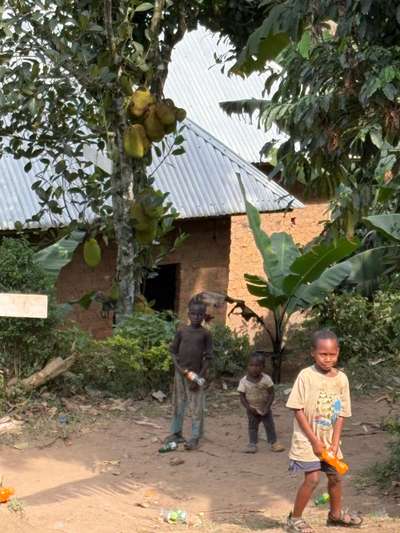
During our January 2026 visits to the region, the connection between lodge occupancy and community welfare was visible at every stop. Children near the Buhoma orphanage — like those we met and immediately invited to eat with us during our June visit — are direct beneficiaries when lodge occupancy is high and the surrounding economy is active. The Uganda Women Entrepreneurship Programme, which supports female entrepreneurs in agriculture, food processing, and crafts around tourism hubs, depends on this economic circulation. At Lake Bunyonyi, the Kigali Cultural Village across the Rwandan border provides a complementary cultural tourism model, with a government-supported museum, craft market, and workshop programme that illustrates the regional integration of cultural and wildlife tourism across the Uganda-Rwanda corridor.
The broader institutional framework shapes both properties’ operating environment. The KCCA Health Centres, a system of six public health facilities in Kampala, and the Kampala Climate Change Strategy reflect the national-level governance that supports tourism infrastructure through road maintenance, environmental regulation, and public health services. The City Road Safety Steering Committee, comprising representatives from the Uganda Association for Consulting Engineers, the Global Road Safety Partnership (GRSP), and the Uganda National Bureau of Standards (UNBS), works to improve the road safety conditions that directly affect every traveller driving between Kampala and the southwestern parks. Project 1686 — Retooling of KCCA modernises the administrative infrastructure in the capital, while the KCCA Volleyball Ladies Club — which won the national league in 2022/2023 — illustrates the breadth of civic life that Kampala sustains. These urban institutions may seem distant from a lakeside cottage on Bunyonyi or a forest-edge room in Ruhija, but they form the governance backbone that makes organised tourism possible.
The comparison between Birdnest Resort and Gorilla Safari Lodge, then, is not merely about amenities and trekking logistics. It is about two different expressions of the same regional tourism economy — one lakeside, one forest-edge, each with its own strengths, community connections, and contribution to the conservation infrastructure that protects Uganda’s 459 mountain gorillas and the communities that coexist with them. The best choice is not one or the other but, for travellers with the time, both in sequence — the gorilla encounter followed by the lake, the intensity of the forest followed by the calm of the water, the conservation frontline followed by the historical shore where Leonard Sharp built his hospital a century ago.
Frequently Asked Questions
Is Birdnest Resort or Gorilla Safari Lodge closer to gorilla trekking?
Gorilla Safari Lodge is significantly closer. Located near Bwindi’s Ruhija sector, it sits minutes from the tracking briefing point. Birdnest Resort on Lake Bunyonyi is 60–90 minutes from the nearest sector (Rushaga), requiring an early departure. If gorilla trekking is your primary objective, Gorilla Safari Lodge eliminates the transit time.
Which lodge is better value?
Birdnest Resort offers lower nightly rates ($80–150 pp) compared to Gorilla Safari Lodge ($120–200 pp). However, if you trek from Birdnest, the added transport cost and early wake-up may offset the savings. Value depends on whether you prioritise room rate or convenience.
Can I combine both lodges in one trip?
Yes, and this is the recommended approach. Spend one or two nights at Gorilla Safari Lodge for trekking, then transfer to Birdnest Resort for a lakeside rest day. The drive between properties takes two to three hours through dramatic highland scenery. This pairing captures both the gorilla encounter and the lake experience.
What is there to do at Lake Bunyonyi?
Canoe trekking (1–5 day guided tours), swimming (the lake is bilharzia-free), island visits including Bwama Island with Leonard Sharp’s 1921 leprosy hospital, birdwatching, community walks, cycling, and fishing. The lake’s calm surface and 20°C water temperature make it one of the safest open-water swimming spots in East Africa.
How many mountain gorillas are there in Uganda?
Uganda’s mountain gorilla population was 459 individuals in the 2018–2020 census. The global population exceeds 1,000, recovering from fewer than 250 in the 1980s. Gorilla permits cost $800 peak season (Jun–Sep, Dec–Feb) or $450 low season, purchased through the Uganda Wildlife Authority.