Safari lodges in Uganda serve a mix of Ugandan and international food, and the standard is higher than most first-time visitors expect. Even in remote locations like Bwindi Impenetrable National Park or Kidepo Valley, lodges produce three-course dinners with fresh ingredients, local staples, and competent cooking. After six visits to Uganda — over 37 days across the country — the food at lodges has consistently been one of the pleasant surprises.
What Does a Typical Day of Lodge Food Look Like?
Most safari lodges follow a similar daily rhythm, built around early morning game drives or trekking:
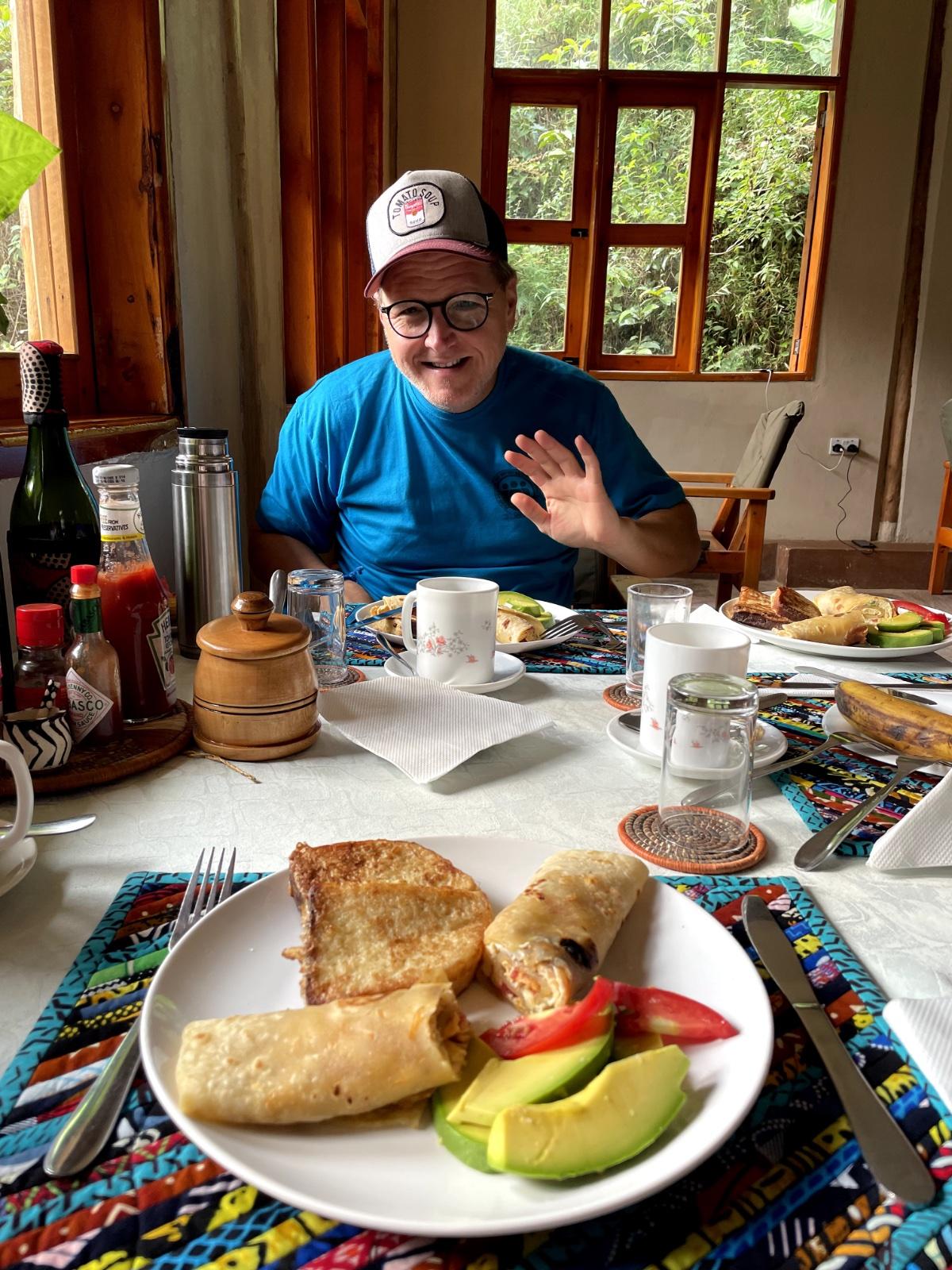
- 6:00–7:00 am — Breakfast: Fresh tropical fruit (mango, pineapple, passion fruit, papaya), eggs cooked to order, toast with local honey, chapati, and Ugandan arabica coffee. Many lodges also offer porridge, pancakes, or French toast. During our stay at Gorilla Bluff Lodge in Buhoma in January 2026, breakfast included avocado, rolex (a chapati-omelette wrap), and French toast — a filling start before a five-hour gorilla trek.
- 12:30–1:00 pm — Lunch: A lighter meal or packed lunch if you are out trekking. Lodges prepare packed lunches the night before — typically chapati wraps, boiled eggs, fruit, a juice box, and sometimes cake or biscuits. If you eat at the lodge, expect a buffet or set menu with soup, a main course, and fresh salad.
- 4:00 pm — Afternoon tea: Tea or coffee with mandazi (fried dough, similar to doughnuts), samosas, or biscuits. A small ritual that most lodges observe.
- 7:30–8:00 pm — Dinner: The main event. Usually three courses: soup or starter, a main with both Ugandan and international options, and dessert. Expect matoke with groundnut sauce, grilled tilapia or chicken, vegetable curries, and fresh bread alongside roasted potatoes or pasta.
Ugandan Dishes You Will Find at Lodges
The best lodge kitchens introduce guests to Ugandan food without abandoning familiar options. Here are the local dishes that appear most often:
| Dish | What It Is | When Served |
|---|---|---|
| Matoke | Steamed and mashed green bananas — the national dish of western Uganda | Lunch, dinner |
| Groundnut sauce | Thick peanut-based sauce, rich and savoury | Dinner (with matoke or rice) |
| Rolex | Chapati rolled around an egg omelette with tomatoes and onions | Breakfast |
| Chapati | Flatbread cooked on a griddle — Uganda's most versatile staple | Any meal |
| Posho | Dense maize porridge, eaten with stews and sauces | Lunch, dinner |
| Tilapia | Freshwater fish, grilled or fried — especially common near lakes | Lunch, dinner |
| Mandazi | Lightly sweetened fried dough, served with tea | Afternoon tea, breakfast |
Ugandan coffee deserves a special mention. The country produces excellent arabica beans, primarily from the slopes of Mount Elgon and the Rwenzori Mountains. Most lodges serve locally grown coffee — it is fresh, strong, and far better than what you find in European supermarkets labelled "African blend."
How Food Differs by Lodge Level
| Level | Typical Food Experience | Price Range |
|---|---|---|
| Luxury | Multi-course meals, dedicated chef, wine list, dietary menus, bush dinners by arrangement. Fresh ingredients sourced daily. | $300+ per night |
| Mid-range | Set menus or small buffets, good variety of local and international food. This is where most visitors eat and the quality-to-price ratio is strongest. | $80–250 per night |
| Budget | Simple, filling meals: beans, matoke, posho, chapati, rice. Less variety but authentic and satisfying. Portions are generous. | $20–80 per night |
Food by Region: What Changes Between Parks
The food at Uganda's safari lodges varies slightly depending on the region and what grows locally:
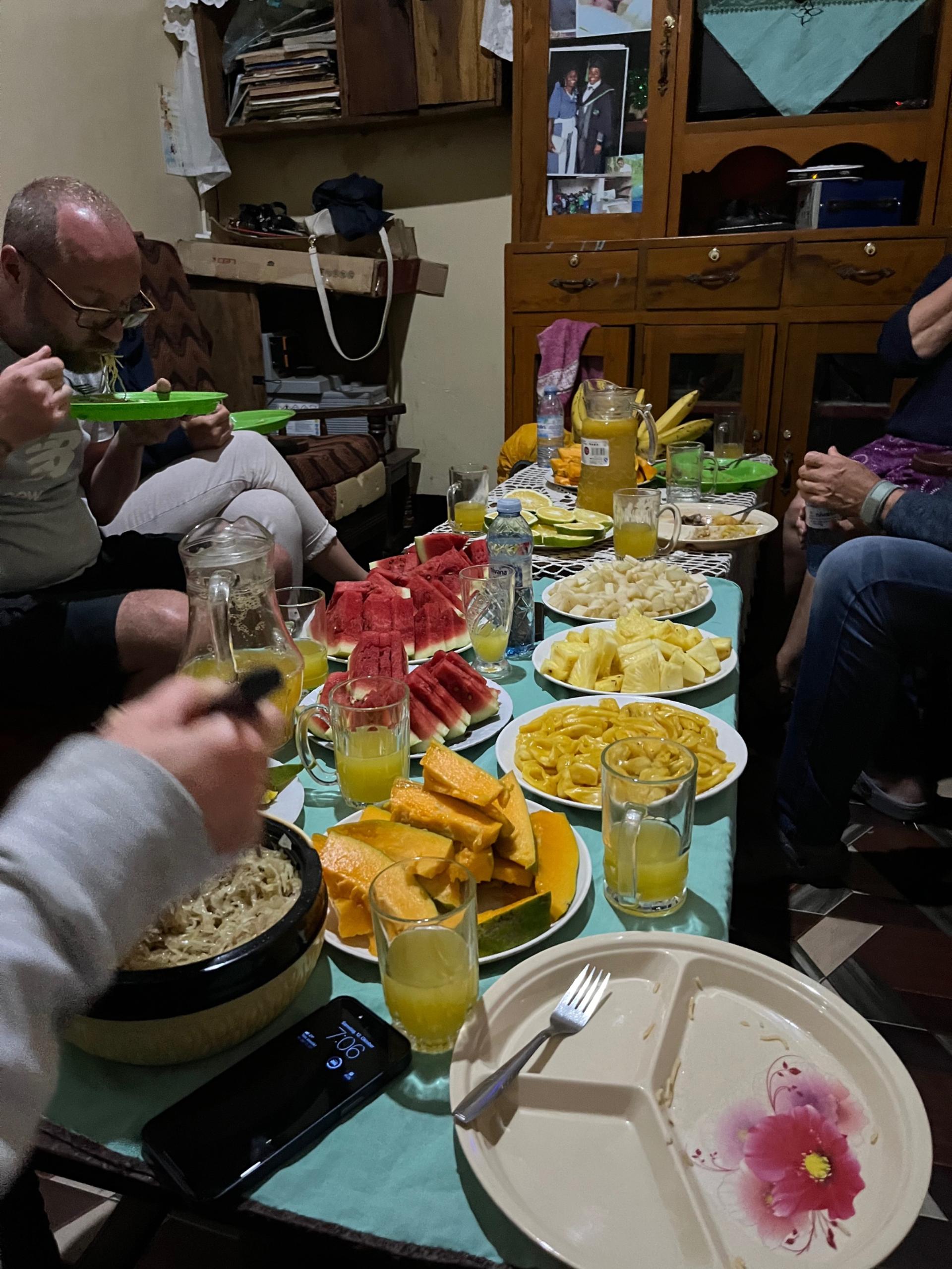
- Bwindi & Mgahinga (southwest): Matoke country. Green bananas and groundnut sauce dominate the local kitchen. Lodges source avocados, tomatoes, and greens from nearby farms. Fresh fish is less common — the nearest lake is hours away.
- Queen Elizabeth & Ishasha: Closer to the fishing communities of Lake Edward and the Kazinga Channel. Tilapia and Nile perch appear on menus. The savanna landscape means more cattle farming, so beef and goat are common at local eateries.
- Murchison Falls: Nile perch from the river, and a drier climate that favours cassava, millet, and sorghum alongside the usual staples.
- Kibale & Fort Portal area: Tea country. Lodges here often have tea plantation views and serve outstanding local tea. The fertile volcanic soil produces excellent vegetables and fruit.
- Entebbe & Kampala: The widest variety. Indian restaurants, Ethiopian food, international cuisine, and every Ugandan regional dish. See our Entebbe airport lodges guide for pre-flight dining options.
Dietary Requirements: What Lodges Can Handle
Most lodges accommodate dietary needs with advance notice. The key rule: tell your tour operator when booking, not when you arrive. Remote lodges plan meals and shopping days ahead. For a detailed guide on meat-free eating, see our vegetarian travel guide.
- Vegetarian: Straightforward. Ugandan cuisine is naturally rich in vegetarian staples — matoke, beans, groundnut sauce, chapati, avocado, and tropical fruit.
- Vegan: Possible with planning. Many staples are naturally vegan, but dairy and eggs are common in lodge cooking. Communicate clearly.
- Gluten-free: Matoke, posho, rice, and most Ugandan staples are gluten-free by default. Bread and chapati contain wheat.
- Allergies: Groundnut (peanut) sauce is widespread — flag peanut allergies clearly. Lodges are accustomed to handling this but need explicit notice.
Eating Outside the Lodge: Markets and Street Food
Between parks, roadside stalls and market food offer a different experience. The rolex — Uganda's iconic chapati-omelette street food — costs around 2,000–3,000 UGX (about 0.50 USD, as of 2026) and is available everywhere. Roasted cassava, sweet potatoes, and grilled maize are sold by vendors along the major routes.
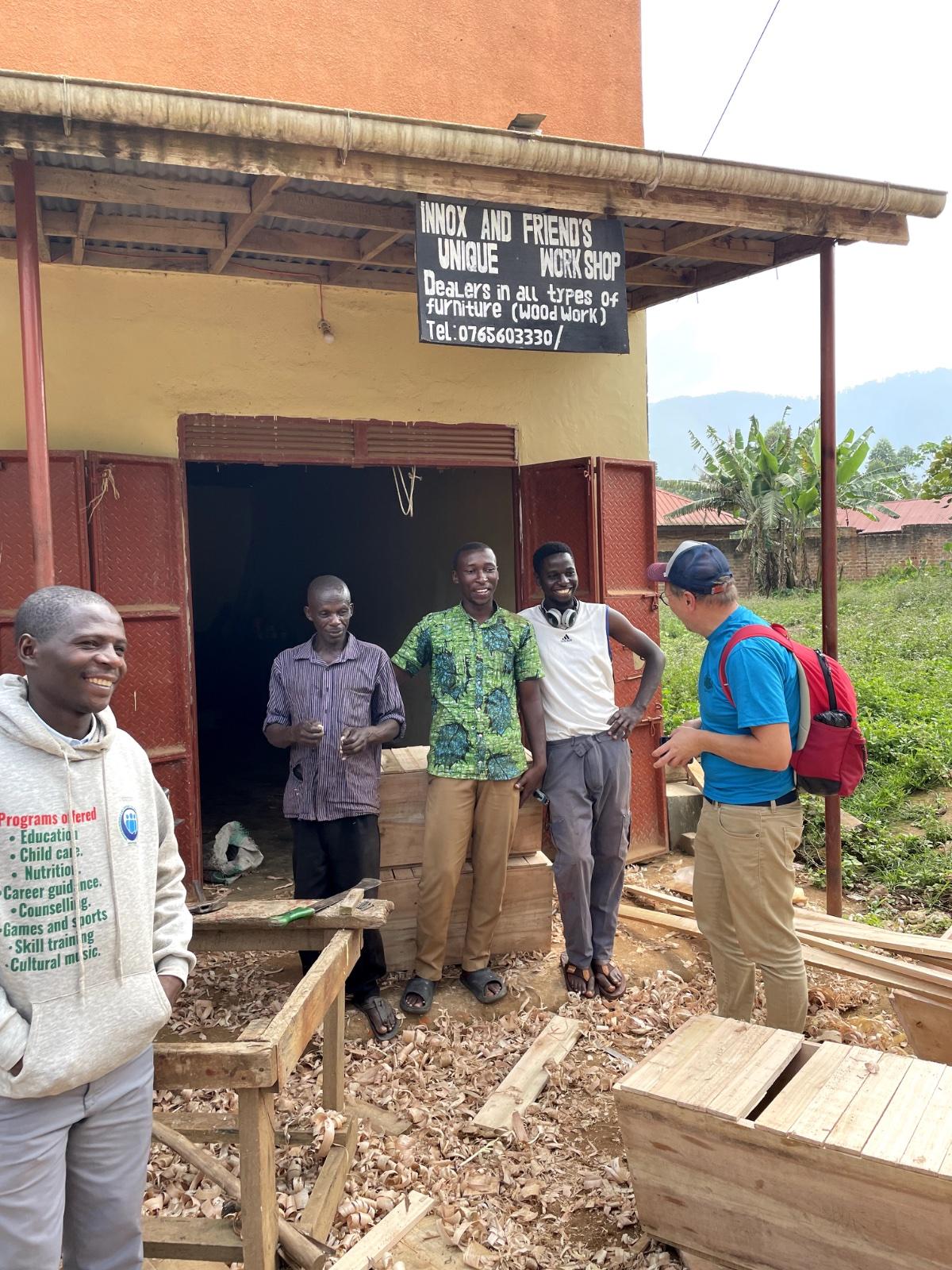
Prosper, a tour guide based in Buhoma, often takes visitors to the local market after their gorilla trek. It is a good way to see everyday life in the communities that border the national parks — and to try food that the lodge kitchens adapt for international palates.
Practical Tips for Lodge Meals
- Request packed lunches the evening before. Lodges need time to prepare them, especially for early-morning gorilla treks.
- Carry snacks for long transfers. Drives between parks (e.g. Entebbe to Bwindi, 8–10 hours) have limited food stops. Energy bars, nuts, and dried fruit fill the gaps.
- Try the local dishes. Matoke with groundnut sauce, rolex for breakfast, and fresh avocado — these are genuinely good food, not tourist novelties.
- Drink bottled or filtered water. All lodges provide safe drinking water. Avoid tap water and ice from unknown sources.
- Tip the kitchen staff. In many lodges, the kitchen team works long hours to produce impressive meals in remote locations with limited infrastructure. A small tip at checkout is appreciated.
Frequently Asked Questions
What food do Uganda safari lodges serve?
Most lodges serve a mix of Ugandan and international dishes. Expect matoke (steamed green bananas), beans, groundnut sauce, and chapati alongside pasta, grilled meats, and fresh salads. Breakfast includes fresh tropical fruit, eggs, toast, and Ugandan coffee. Mid-range and luxury lodges typically serve three courses at dinner.
Can safari lodges accommodate dietary requirements?
Yes, most lodges handle vegetarian, vegan, gluten-free, and allergy requirements with advance notice. Inform your tour operator or the lodge at least 2–3 days before arrival. Luxury lodges handle this routinely; budget lodges need more notice.
Is the food safe at Uganda safari lodges?
Lodge food is safe. Established lodges maintain proper food hygiene, use filtered water for cooking, and source fresh ingredients regularly. Stick to bottled or filtered water for drinking. Street food outside lodges carries slightly more risk — choose busy stalls where food is cooked fresh.
Do lodges provide packed lunches for gorilla trekking?
Yes. Lodges in Bwindi and Mgahinga routinely prepare packed lunches for trekking days — typically sandwiches or chapati wraps, boiled eggs, fruit, a juice box, and sometimes a snack bar. Request yours the evening before.
Related Articles
Looking for a Lodge with Great Food?
Browse lodges by region, price level, and amenities — or ask us for a recommendation.