Uganda's average hotel room occupancy was 53.9% in the fiscal year 2023/24 (UTB Annual Report FY 2023-24). For travellers, that number sounds reassuring — roughly half of all rooms are available at any given time. But the national average is misleading. In practice, occupancy swings wildly depending on where you are going, when you are going, and what type of accommodation you are looking at.
A luxury gorilla lodge in Bwindi during July can be 100% booked months in advance. A mid-range guesthouse in Karamoja the same month might have three guests. The 53.9% average smooths out these extremes into a number that does not help you plan. This article breaks down what the occupancy data actually means, region by region and season by season.
How Occupancy Differs by Region
Uganda's accommodation is concentrated along two main safari circuits. The western circuit — Bwindi, Queen Elizabeth, Kibale, Fort Portal — handles the bulk of international visitors and has the highest lodge density. The northern circuit — Murchison Falls, Ziwa Rhino Sanctuary — sees fewer visitors but has grown steadily.
| Region | Peak Season Occupancy | Low Season Occupancy |
|---|---|---|
| Bwindi (gorilla lodges) | 80–100% | 40–60% |
| Queen Elizabeth / Ishasha | 60–85% | 25–45% |
| Murchison Falls | 55–75% | 20–40% |
| Kampala / Entebbe | 50–65% | 35–50% |
| Kibale / Fort Portal | 50–70% | 20–35% |
| Kidepo Valley | 40–60% | 10–25% |
| Jinja / Sipi Falls | 35–55% | 15–30% |
Estimates based on UTB Annual Report FY 2023-24 national average (53.9%) combined with regional tourism arrival patterns. Individual lodge occupancy varies significantly.
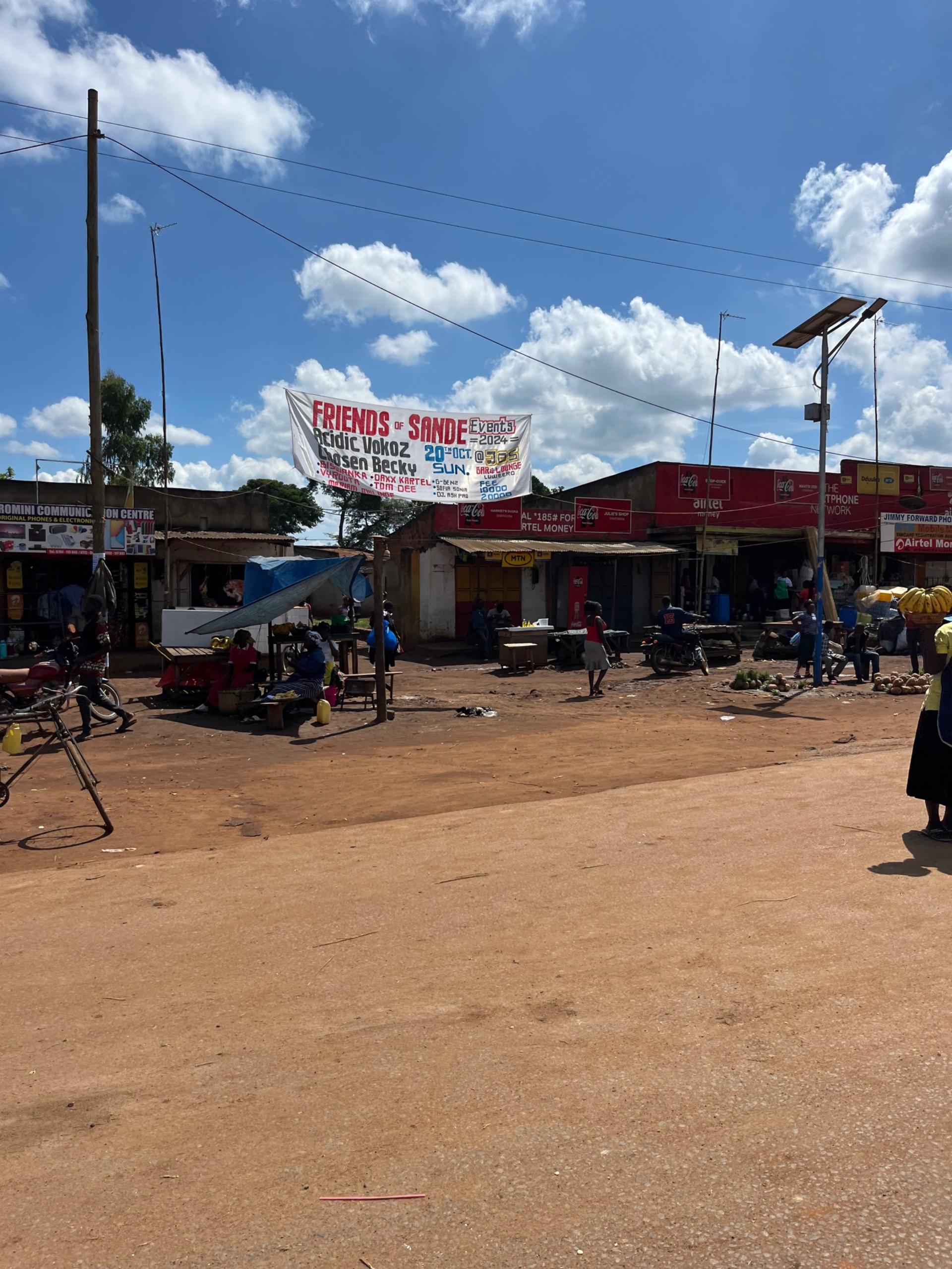
During our 12-day stay in October 2024, we travelled from Entebbe through Luwerro to Murchison Falls and then down to Bwindi. The contrast was striking: hotels along the Kampala Road in small towns like Luwerro had plenty of empty rooms, while lodges near Bwindi's Buhoma sector were noticeably busier — even in what is technically low season.
When Are Lodges Fullest?
Uganda's occupancy follows the dry seasons closely. The two peak periods are June to August and December to February. During these months, gorilla trekking permits sell out, lodge prices are at full rate, and popular properties in Bwindi can be fully booked three to six months ahead. For timing advice and pricing details, see our best time to book guide.
The wet seasons — March to May and September to November — bring lower occupancy, lower prices, and more availability. Gorilla trekking in Bwindi continues year-round regardless of rain, but savanna parks like Queen Elizabeth and Murchison Falls are less appealing when roads are muddy and grass is tall. Many lodges offer 20–40% discounts during these months. For a full breakdown, see our rainy season safari guide.
Kampala and Entebbe follow a different pattern. As Uganda's business and transit hubs, their hotels maintain more consistent occupancy throughout the year. Conference tourism and government travel smooth out the seasonal dips that safari lodges experience.
What Occupancy Means for Your Trip
The 53.9% national average tells you one useful thing: Uganda is not oversaturated. Unlike some East African destinations where lodges compete fiercely for a shrinking pool of visitors, Uganda's accommodation sector still has room to grow. In 2023, international arrivals reached 1,274,210 — a 56.4% increase over 2022 (Uganda Tourism Satellite Account Report, March 2025). The accommodation sector has been expanding to match.
For practical planning, the regional and seasonal breakdown matters more than the national figure:
- Bwindi in peak season: Book 3–6 months ahead. Secure your gorilla permit first, then match your lodge to the allocated sector (Buhoma, Ruhija, Rushaga, or Nkuringo). Prosper, a tour guide based in Buhoma, regularly sees visitors who arrive without accommodation booked and struggle to find a room during July and August.
- Bwindi in low season: Book 4–8 weeks ahead. Most lodges will have availability, and many offer discounts. Gorilla trekking continues regardless of weather.
- Savanna parks (Queen Elizabeth, Murchison Falls): More flexible. Even in peak season, last-minute bookings are often possible — the lodge density is lower, but so is demand outside the gorilla-trekking corridor.
- Kampala and Entebbe: Same-day booking usually works, except during major conferences or events. For airport-adjacent options, see our Entebbe lodges guide.
- Remote parks (Kidepo, Karamoja, Sipi Falls): Availability is rarely a problem, but choices are limited. Book ahead not because lodges are full, but because the few that exist may have minimum-stay requirements or need advance notice for meals.
The Bigger Picture: Lodges as Economic Engines
Behind the occupancy numbers is a broader story about employment and local economies. Uganda's accommodation and food services sector employed over 230,000 people nationally (UBOS Statistical Abstract 2024). In communities like Buhoma, near Bwindi Impenetrable National Park, lodges are often the largest employer — providing jobs as cooks, porters, gardeners, cleaners, and guides.
Tourism-related industries generated a gross value added of 7,311 billion Uganda shillings in 2023, a 10.9% increase over 2022. The sector accounted for 17.2% of national gross capital formation (Uganda Tourism Satellite Account Report, March 2025). Higher occupancy rates translate directly into more jobs, more income for local suppliers, and more investment in infrastructure.
Driving through Luwerro on the Kampala Road in October 2024, we passed small trading stalls, corrugated-iron-roof shops, and a dusty marketplace buzzing with morning activity. The town sits on the main route between Kampala and Murchison Falls, and the guesthouses along the road serve domestic travellers and long-distance drivers far more than international tourists. Uganda's accommodation economy is not just about safari lodges — it is woven into the daily life of towns you pass through on your way to the parks.
Use the Data: Find Your Lodge
Browse our lodge directory to compare over 200 properties across Uganda, or use the Lodge Finder to filter by region, price, and style. For a region-by-region overview of what accommodation is available, see our where to stay guide.
Frequently Asked Questions
What is the average hotel occupancy rate in Uganda?
Uganda's average hotel room occupancy was 53.9% in 2023/24 (UTB Annual Report). Popular safari regions like Bwindi regularly exceed 80% during peak season, while less-touristed areas may sit below 30%.
When are Uganda safari lodges most fully booked?
Peak occupancy occurs during the dry seasons: June to August and December to February. Gorilla lodges in Bwindi are the tightest — some book out 3–6 months in advance.
Are Uganda lodges empty during the rainy season?
Not entirely. Bwindi lodges still operate year-round because gorilla trekking continues regardless of weather. Many offer 20–40% discounts during wet season months (March–May, September–November).
How many hotel rooms does Uganda have?
Room capacity has grown steadily alongside a 56.4% increase in international arrivals (2023 vs 2022). The western safari circuit — Bwindi, Queen Elizabeth, Kibale — has seen the most new lodge development.